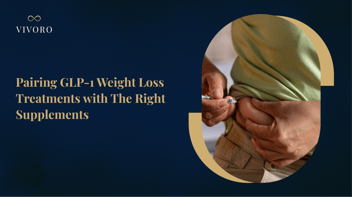
|
Combining medical-grade peptide treatments, such as GLP-1 weight-loss injections or hormone therapy, with targeted supplements and skincare results in healthier skin and hair. By supporting collagen, hydration, and nutrition from within, you can enhance results and counter side effects such as “Ozempic face” and hair thinning. Quick Answer: If you’re using peptide therapies for health, e.g., GLP-1 for weight loss or HRT for menopause, pair them with a holistic skin and hair regimen. This means medical-grade topicals like a retinol & peptide serum plus internal supplements such as collagen peptides and a biotin-rich Hair, Skin & Nails Essentials vitamin. The inside-out strategy helps maintain collagen, hydration, and hair strength, balancing out any stress your treatment may put on your complexion or mane[1][2]. |
Fifty is the new thirty, especially when you have science on your side. Many women today are turning to advanced peptide therapies and hormone treatments to keep their bodies youthful and healthy. From GLP-1 weight loss medications (hello, Ozempic®) to bioidentical HRT for menopause, these medical interventions can be game-changers. But here’s the catch: rapid weight loss or hormonal shifts can take a toll on skin and hair. Think sagging cheeks after shedding pounds, or extra strands in the brush during menopause. Not precisely the glow-up we envision with our new regimen, right?
That’s where a smart supplementation strategy comes in. VIVORO’s approach is simple: for every high-tech therapy, there’s a gentle, natural ally to support your skin and hair from within. In this article, we’ll explore how to pair your medical-grade treatments – whether it’s a peptide-based injectable, a prescription retinoid, or hormone replacement – with the right nutraceuticals and topicals.
The result? You amplify benefits, minimize side effects, and look as vibrant as you feel.
Prepare for an educational deep dive into peptides, collagen, biotin, and more. We’ll highlight a few choice VIVORO products – like our Hair, Skin & Nails Essentials supplement and Retinol & Peptide Face Serum – to illustrate this inside-out, skin-hair-health synergy. Let’s get glowing!
The Power of Peptides for Skin & Hair Health
What’s all this hype about peptides anyway? In simple terms, peptides are short chains of amino acids – basically mini-proteins – and they act as messengers in your body. Some peptides are hormones, like GLP-1, the appetite-suppressing hormone that’s the star of new weight loss drugs, while others are growth factors or signaling molecules in the skin. Because they’re so intrinsic to our biology, peptides have become the trendy tool in anti-aging medicine and cosmetics.
Medical peptide therapies are treatments that use these potent molecules to achieve a health goal.
For example, GLP-1 receptor agonists, such as semaglutide, the ingredient in Ozempic, help with weight loss by mimicking the GLP-1 peptide your gut makes. There are also peptide therapies in anti-aging clinics – think growth hormone secretagogues to improve muscle tone, or peptide injections for joint healing.
Even collagen peptides supplements count: they’re broken-down collagen proteins that are easier to absorb and may signal your skin to firm up.
So how do peptides tie into skin and hair? Many skin-care breakthroughs use peptides to boost collagen or repair damage. And in hair care, specific peptide signals can stimulate follicles. When you take a peptide-based medication or therapy, you might inadvertently notice changes in your skin/hair – some good, some not-so-good. For instance, women on high-dose HRT (hormone replacement therapy) often report more hydrated skin (thanks to estrogen) and sometimes thicker hair. Still, a sudden hormone change can also trigger shedding until things balance out.
Meanwhile, people on GLP-1 weight-loss shots might develop the infamous “Ozempic face” – a gaunt, saggy look – or temporary hair thinning, purely because the weight is falling off so fast[1][2].
The key is balance. Peptides can work wonders medically, but your skin and hair might need extra TLC to keep up. By using entity-rich supplements loaded with collagen, biotin, and antioxidants, and targeted topicals alongside your treatments, you give your body the building blocks and signals it needs to maintain a youthful glow. It’s like hiring a talented supporting crew to enhance the star player – together they deliver results that neither could achieve alone.
In summary, Peptides are powerful tools for health and beauty. When leveraged in medical treatments, they can transform your body – but don’t leave your skin and hair out of the loop. Feed and care for them with the right supplements and skincare, and you’ll stay radiant from head to toe.
Supporting Skin Health from the Inside and Outside
If you’re investing in medical-grade skincare or anti-aging treatments, you want maximal payoff, right? Let’s talk skin health first. Many VIVORO patients use prescription topicals or in-office treatments: retinoids for wrinkles, laser or peptide injections for collagen, and maybe even HRT for estrogen to combat dryness.
These are fantastic interventions – retinoids (vitamin A creams), for example, are proven to reduce wrinkles by boosting collagen production[3]. But topicals work from the outside in, and their effects can plateau if your inside isn’t keeping up.
1. Collagen and Elastin
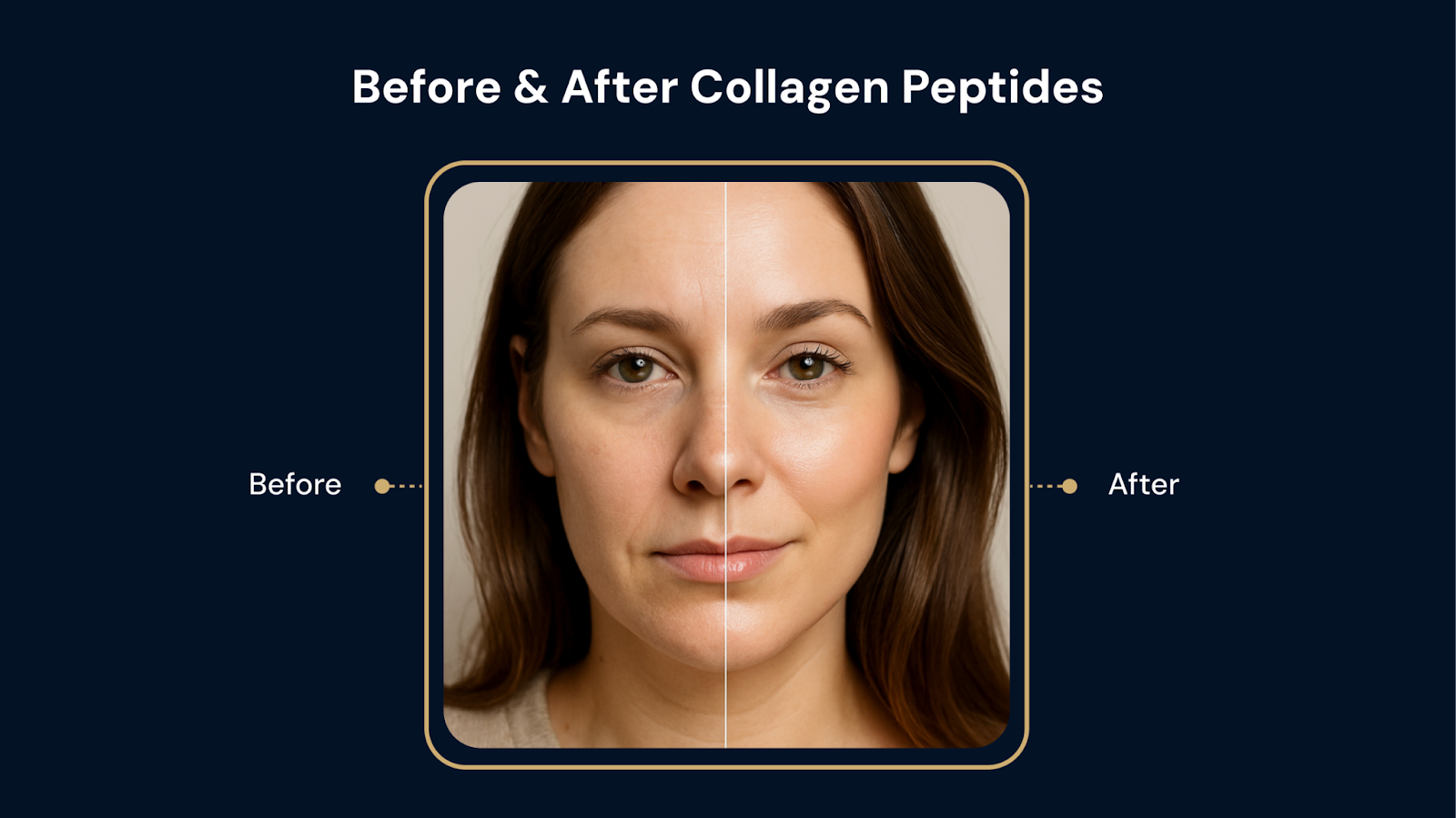
The Youth Proteins: By our early 30s, collagen production starts to decline. If you’re using a Retinol & Peptide Face Serum at night smart move, retinol is a gold-standard wrinkle-fighter, you’re already signaling your skin to ramp up collagen[3]. To supercharge this, add internal collagen support.
Collagen Peptides supplements are an easy win – these powders provide the amino acids (like glycine and proline) your body uses to make collagen. Studies show that taking collagen peptides can significantly improve skin elasticity and hydration over a few months[4]. It’s like giving your skin extra bricks when it’s trying to build new walls.
VIVORO’s pick: Try stirring a scoop of our grass-fed Collagen Peptides Powder into your morning coffee or smoothie. It’s unflavored and blends invisibly so that you won’t taste a thing. Over time, you may notice skin that’s plumper and more resilient from within, and as a bonus, those achy knees might feel better too, since collagen helps joints.
2. Antioxidants & Hydrators
Cellular Defense: Topical antioxidants (like vitamin C serums) protect the skin surface from UV and pollution, but your diet/supplements need to do the same internally. VIVORO’s Skin Vitality Essentials capsules are basically skin insurance in a bottle. This supplement combines Vitamin C, Vitamin E, resveratrol, green tea extract, plus hyaluronic acid and aloe vera. Why those? Vitamin C and E neutralize free radicals that break down collagen; resveratrol (the red wine molecule) and green tea support skin repair at the cellular level; and hyaluronic acid (HA) increases skin moisture.
In fact, oral HA supplements have been shown to improve skin hydration and even reduce wrinkles after 8–12 weeks[5][6]. Our patients who use retinoids or peptide facials love Skin Vitality Essentials because it nourishes their skin from the inside, complementing the intense renewal happening on the outside. It’s especially ideal if you’re doing anti-aging treatments like retinol, laser, or microneedling – think of it as prepping the canvas so the treatments can paint a masterpiece.
VIVORO’s pick: Skin Vitality Essentials (Capsules) – Take two a day, and you’re essentially fueling your skin with extra collagen…yes, it contains hydrolyzed collagen too, antioxidants, and HA. We often recommend this to patients starting tretinoin or peptide treatments; it helps minimize the dull or dry phase that sometimes precedes the glow by keeping skin cells hydrated and protected at the cellular level.
3. Hormonal Balance & Skin
Many women 40+ start HRT (Hormone Replacement Therapy) for menopause symptoms and are pleasantly surprised that their skin gets smoother. It’s not your imagination – estrogen can restore skin collagen, thickness, and elasticity when introduced at menopause[7][8]. HRT essentially turns back the clock on some signs of skin aging by boosting collagen and moisture levels. However, it’s not a free pass to skip skincare!
If you’re on HRT, round it out with a proactive topical routine: a gentle cleanser, a day cream with SPF, and at night a retinol or peptide serum to keep those collagen factories lit. Our Retinol & Peptide Face Serum is a perfect example of medical-grade meets soothing botanicals. It packs a 0.5% retinol (enough to refine fine lines and even out texture) plus peptides and bisabolol (a chamomile derivative) to stimulate collagen without excessive irritation. Use it nightly and you’ll accelerate the benefits HRT gives your skin[3]. Just remember the sunscreen by day – retinol makes you sun-sensitive, and yes, we will nag you about SPF because we care.
VIVORO’s pick: Retinol & Peptide Face Serum – Apply a pea-sized amount at bedtime to clean skin. This serum is like a one-two punch: retinol encourages cell turnover and new collagen, while the formula’s signal peptides tell your skin to firm up. It’s basically a youth potion (in a sophisticated, non-greasy serum form). Over 3–6 months, expect a smoother texture and reduced fine lines [3]. We often pair this with VIVORO’s HRT offerings; patients doing bioidentical estrogen patches plus this serum are essentially tackling skin aging from the inside and outside – a powerful combo.
4. The “Ozempic Face” Rescue
We have to talk about it – the viral term “Ozempic face” refers to the sagging or gaunt look that some folks get after rapid weight loss on GLP-1 drugs[1]. It’s not that the medication is aging your skin directly; it’s the loss of fat and collagen from shedding pounds too fast. Facial fat usually props up your cheeks like a natural filler. When it dwindles quickly, skin can’t snap back, since elastin and collagen fibers need time (and nutrients) to remodel[9] if you’re on a GLP-1 (semaglutide, liraglutide, etc.) as part of your health journey, first, congrats on taking charge of your health! Second, let’s ensure your skin stays snatched and not slack.
How? Focus on protein, hydration, and collagen support. Up your protein intake to help prevent muscle loss (which also affects face shape). Collagen supplements are your friend again here – they can help maintain skin elasticity during weight loss [4]. Also, consider adding a hyaluronic acid serum daily – even a simple pure HA serum will draw moisture into your skin, plumping it up a bit to compensate for lost volume. If you prefer an all-in-one topical, a quality peptide moisturizer can do wonders at night to restore bounce (look for ingredients like peptides, ceramides, niacinamide).
VIVORO’s upcoming Anti-Aging Peptide Moisturizer is designed precisely for this: it contains peptides to firm and ceramides to strengthen the skin barrier. It’s gentle enough for sensitive skin (vital if you’re new to retinoids or just have a lot on your plate).
And don’t forget old-school advice: lose weight a tad more gradually, if you can, and stay hydrated! We know you’re eager to hit that goal weight, but your skin will thank you for a slow-and-steady approach[10][11]. In practice, we encourage patients to aim for ~1–2 lbs per week loss. Also, drink water like it’s your job (carry that cute tumbler everywhere). Dehydration will accentuate wrinkles and dullness – the opposite of what we want. If needed, throw in an electrolyte powder; VIVORO even has a Hydration Boost formula that’s GLP-1-friendly – no sugar, added B vitamins.
If you do catch yourself in the mirror looking a bit like a deflated balloon after dropping 20 lbs in 2 months, don’t panic. We’ve got the “reinflate” protocol: a collagen-peptide smoothie in the morning, slather on that peptide moisturizer, maybe even ask your derm about a touch of Sculptra® (a collagen-boosting filler) if it’s really bothering you. As the saying goes, we can have our cake and eat it too – but since we’re on GLP-1, maybe we’ll skip the cake and opt for collagen peptides instead.
Supporting Hair Health from the Inside Out
Now let’s pamper that hair. Lustrous locks are a classic marker of vitality, and thinning hair can be distressing for women (unfairly, society isn’t as kind to female hair loss). Medical treatments can influence hair in various ways. For instance, menopause (and HRT) alters your hormonal milieu, which can either help or hurt hair thickness. Some women find HRT halts their menopausal shedding; others might still need extra support for their strands.
Similarly, as noted earlier, rapid weight loss – whether from GLP-1 meds or strict dieting – can trigger telogen effluvium, a temporary diffuse shedding caused by stress on the body and nutrient gaps[2]. The good news: telogen effluvium is reversible, and hair will usually rebound, but it can take a few months of patience and good care.
So how do we fortify our tresses alongside any medical regimen?
1. Nutritional Support

Biotin, Vitamins & Minerals: Healthy hair starts from within, literally, hair is built in the follicle from nutrients delivered via blood. If you’re not getting enough protein, iron, zinc, vitamin D, or biotin, your hair is going to suffer[2][12]. This is why one of VIVORO’s hero products is the Hair, Skin & Nails Essentials supplement. It’s a capsule loaded with 5,000 mcg of biotin, plus vitamins A, C, E, B6, folate, B12, zinc, copper, and silica from plant extracts, such as horsetail.
We like to call it “hair insurance.” High-dose biotin isn’t a magic hair-growth pill per se, but it is beneficial if you have any deficiency or hair stress. Dermatologists often recommend biotin for thinning hair because, while evidence is mixed on speeding up growth, it’s clear that biotin helps prevent further hair loss in many cases[13]. It basically ensures your body has the keratin-building blocks it needs. Our Hair, Skin & Nails formula also supports the production of keratin and collagen (thanks to silica and vitamin C). This means not only can it strengthen hair and nails, but it may also improve skin elastin too [14][15] – a nice perk!
VIVORO’s pick: Hair, Skin & Nails Essentials (Capsules) – Take two capsules daily. Give it a few months (hair growth is slow, alas), and you should notice less shedding and perhaps some baby hairs coming in. It’s beneficial for women on HRT who still have brittle hair, or anyone noticing thinning due to stress or dieting. We often pair it with our weight-loss programs because it helps fill nutritional gaps that could contribute to hair loss during dieting [12]. Plus, it’s an easy once-a-day step toward stronger hair, nails that don’t peel, and maybe even that elusive “glow” in your skin -thank the biotin and antioxidants.
Bonus: If you hate swallowing pills, VIVORO’s got you covered with Hair, Skin & Nails Gummies – same idea, but a yummy passion fruit chew. They even sneak in a bit of collagen and 5,000 mcg biotin per serving. It’s wellness candy!
2. Topical Stimulants
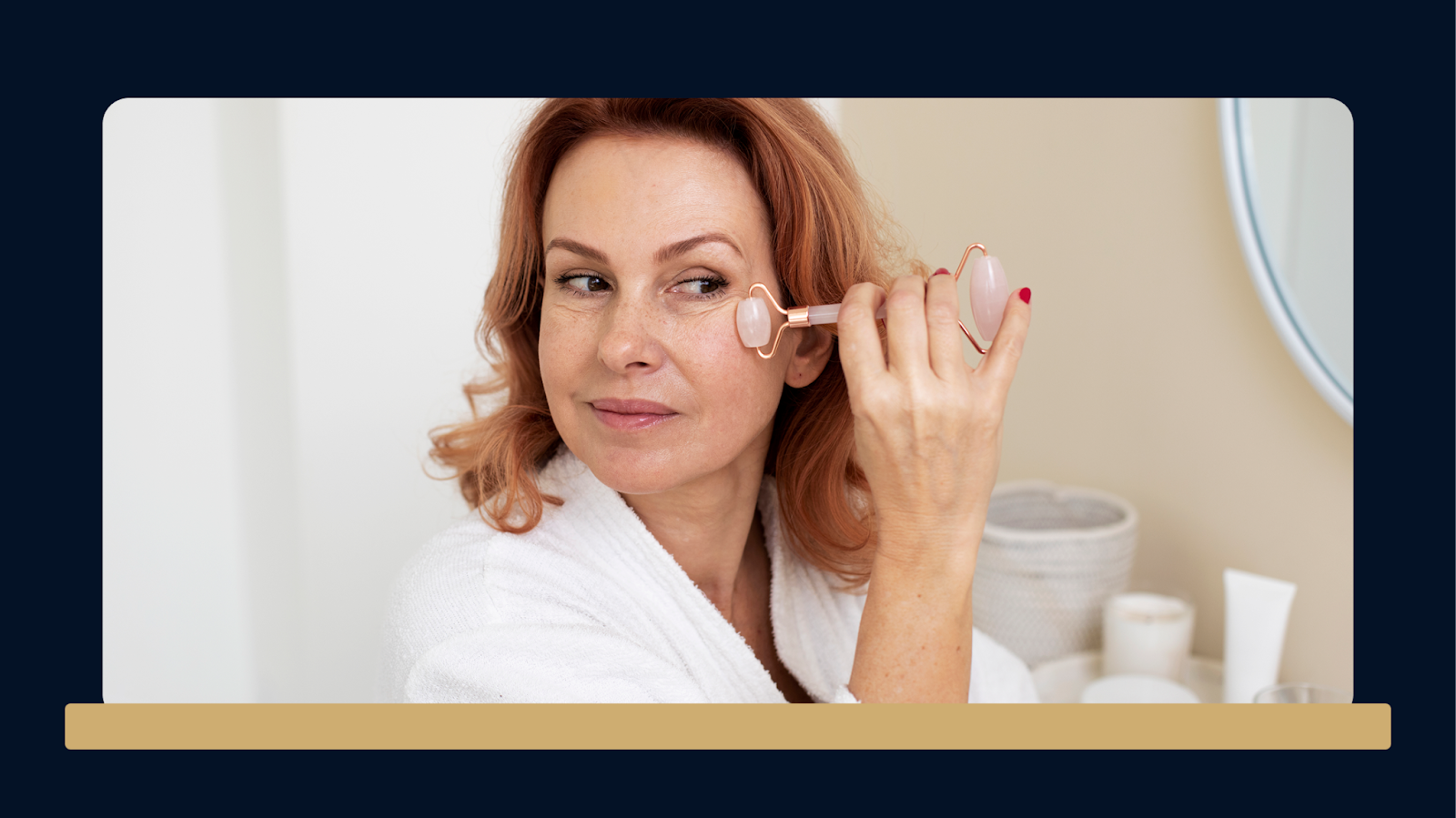
Serum for the Scalp: Let’s face it, not all hair help can come from the inside. If your hair is thinning or just not as dense as it used to be, a topical growth serum can make a visible difference.
The gold standard in hair growth is minoxidil (Rogaine). Still, not everyone wants to use a medicated solution – and some women find it irritating or don’t like the idea of lifelong use. Enter Botanical Hair Growth Serum. Ours is a lightweight leave-in scalp serum that taps into natural powerhouses: rosemary oil, ginger root, plus a marine algae complex called Densidyl™. Why rosemary? Because, believe it or not, a 2015 study found rosemary oil as effective as 2% minoxidil in promoting hair regrowth over 6 months[16] – with the bonus of fewer itchy scalp side effects. Rosemary increases scalp circulation and has anti-inflammatory effects, creating a healthy environment for hair follicles [17][18]. Ginger also boosts circulation and has antioxidant compounds that may combat follicle damage. And that algae complex, Densidyl, is there to hydrate the scalp and strengthen the hair fiber, sort of a fertilizer for your hair garden.
VIVORO’s pick: Botanical Hair Growth Serum (Rosemary & Ginger) – Use a dropperful and massage it into your scalp once daily. We recommend it at night; think of it as a relaxing head massage ritual. It’s non-greasy and smells naturally herbal (no synthetic fragrance). Over a few months, you can expect to see reduced hair fall and some improved thickness where hair was thinning. It’s a great adjunct if you’re doing medical hair loss treatments too – for example, some of our patients combine this serum with low-dose oral minoxidil or use it after an HRT-induced shed to speed up regrowth. Because it’s drug-free, it’s also safe to use alongside VIVORO’s hormone therapies or during postpartum, etc. Remember, consistency is key: even the best serum won’t work if you forget it on the shelf. So pair it with something you do daily – like brushing teeth – and make it a habit. Your future self, running her fingers through a fuller head of hair, will thank you.
3. Guarding Against GLP-1 Hair Shedding
We touched on this earlier, but it bears repeating with some actionable steps. If you’re losing weight rapidly, whether through a peptide med like GLP-1 agonists or intense calorie-cutting, your hair might shed more than usual for a couple of months. This is the telogen effluvium phenomenon – your body basically says, “hey, we’re going through something big, let’s put hair growth on pause.” It’s usually temporary[19].
To minimize it, don’t skimp on protein; aim for 60–80g a day. Shakes can help if you’re not hungry. And ensure you get key nutrients: iron, zinc, vitamin D, omega-3s, and biotin are often cited for hair health[12]. A comprehensive multivitamin or the Hair, Skin & Nails formula will cover the bases. Also, consider Omega-3 fish oil supplements – omega-3s have anti-inflammatory benefits that can soothe an irritated scalp, and they support overall hair shine and strength.
If hair loss has already kicked in, don’t panic. Stressing will… cause more hair loss (oh, the irony). Keep up the nutrients and be gentle to your hair - no tight hairstyles or harsh bleach for now. Many VIVORO members swear by Nutrafol® or Viviscal® – these are well-known hair supplements – but truthfully, our Hair, Skin & Nails Essentials contains very similar ingredients - we just don’t make you pay the premium for the brand name. Give it 3–6 months to see improvement.
Meanwhile, using the Botanical Hair Growth Serum topically can encourage those resting follicles to wake up sooner. And if you want to explore prescription options, VIVORO’s telehealth dermatology service can evaluate you for options such as low-dose oral minoxidil or finasteride, if appropriate. But those aren’t for everyone, and our philosophy is to try the gentler, nutrition-based approaches first – especially for women.
4. Hormonal Hair Helpers
A note on hormones: If your hair thinning is related to menopause or hormones, the strategy adjusts slightly. Menopausal hair thinning, often characterized by diffuse thinning or a widening part line, is partly due to the drop in estrogen and the relative increase in androgens. HRT may help in these cases by bringing estrogen back up, which can prolong the growth phase of hair. Some women on HRT report less shedding and improved hair volume.
However, HRT isn’t a guaranteed cure for hair loss, and it’s not typically prescribed for that purpose. You still want to optimize nutrition and consider DHT-blocking botanicals if female pattern thinning is an issue. Ingredients like saw palmetto, rosemary, and pumpkin seed oil have mild DHT-blocking effects. Our Botanical Hair Serum indirectly helps with some of this (rosemary has been studied for its anti-androgen impact on the scalp). We also have an internal supplement in the works focusing on hormonal balance for hair, but that’s a topic for another day.
For now, know that VIVORO’s HRT plus the hair supplements/serum can be a synergistic duo. HRT provides your follicles with a more youthful hormonal environment, and the supplements ensure they have the vitamins and peptides needed to build new hair. It’s a 360° strategy that fits our integrative, compassionate medical vibe.
Hair today, gone tomorrow? Not if we can help it. We can’t promise Rapunzel-level tresses, but with the right combo of science and self-care, you can indeed reclaim some of the thickness and shine of yesteryear. At the very least, you’ll know you’re doing everything possible, short of borrowing Dolly Parton’s wig, to keep your hair healthy.
GLP-1 Weight Loss and Your Skin & Hair: Special Considerations
Let’s dedicate a brief section specifically to those on the GLP-1 weight-loss journey (semaglutide, tirzepitide, etc.), since it’s a hot topic and many readers may fall into this category.
These medications (brand names like Ozempic®, Wegovy®, and Saxenda® are fantastic tools for metabolic health and weight management. VIVORO prescribes GLP-1s as part of comprehensive telehealth programs for qualifying patients – often with life-changing results. But as we’ve hinted, fast weight loss can bring some beauty challenges. Here’s a quick FAQ-style rundown:
Why does GLP-1 cause saggy skin (a.k.a. “Ozempic face”)?
It’s not the drug per se; it’s the rapid fat loss. When you lose facial fat quickly, the supportive fat cushion beneath your skin thins. Skin can appear looser or more wrinkled because the collagen/elastin network can’t tighten up overnight[9]. Also, during rapid weight loss, your body might temporarily produce less collagen and elastin as resources shift to critical functions[11]. The result: you might look a bit older or drawn in the face. Think of a deflated balloon – it was taut when full, but a bit saggy when the air rushes out.
Why can GLP-1 meds lead to hair thinning?
Again, it’s an indirect effect. Quick weight loss is a stressor, and the body sometimes responds with telogen effluvium (that fancy term for diffuse shedding)[2]. Additionally, if you’re eating a lot less due to the medication’s appetite suppression, you might not get enough protein or micronutrients, which hair needs to grow[12]. Essentially, the body says, “We’re in a calorie deficit here – let’s conserve energy by not expending it on lavish hair production for a bit.”
How can I prevent or fix these issues while losing weight?
Gradual weight loss is one answer – aim for ~1-2 pounds per week so your skin isn’t caught off guard [10][20]. But if you’re already on a GLP-1 and the pounds are melting faster, focus on supporting your body:
- Protein, protein, protein: Ensure you hit your protein goals, we often advise ~30-50g per meal. This helps prevent muscle loss and provides amino acids for the synthesis of collagen and keratin. Consider a high-quality protein shake if you struggle to eat enough – VIVORO’s Pure Whey Isolate is GLP-1 friendly (zero sugar, light on the stomach).
- Collagen supplements: As discussed, adding a daily collagen peptide supplement can provide your skin with the raw materials to rebuild and maintain elasticity [4]. Think of it as patching the parachute while you’re skydiving, so to speak.
- Stay hydrated: Dehydration will accentuate fine lines. GLP-1s can reduce thirst signals, so be intentional about drinking water. Herbal teas, electrolyte drinks (low sugar), and water-rich foods (cucumber, watermelon) can help.
- Skincare routine: Use a good moisturizer with ingredients like hyaluronic acid, glycerin, peptides, and ceramides to keep skin plump. A gentle retinol can encourage collagen production to fight wrinkles[3] – just don’t overdo it if you’re new, and always use sunscreen. Our Retinol & Peptide Serum, paired with a morning Vitamin C + SPF, is a potent combo to maintain firmness.
- Hair care: Take your Hair, Skin & Nails Essentials (or an equivalent multivitamin with biotin, iron, etc.), as it’s been shown to help reduce hair loss [13]. Eat nutrient-dense foods (dark leafy greens, eggs, nuts) even if you’re eating less overall. And be kind to your hair: avoid tight ponytails and harsh chemicals during this time. Using the Botanical Hair Growth Serum can stimulate the scalp and potentially accelerate the recovery of lost hair.
- Patience and perspective: Remember, any hair shedding from weight loss is usually temporary. As your body adapts to your new weight and you stabilize in maintenance, the hair should grow back. In the meantime, strategic haircuts (layers, volume-boosting styles) and some fun hair accessories or volumizing products can get you through the thin times (pun intended).

Should I stop my GLP-1 to save my face/hair?
Generally, no, unless the medication provides essential health benefits. The changes are manageable with the steps above and, in many cases, subtle, so not everyone experiences them. Plus, there are always cosmetic dermatology tricks if needed (filler for the face, PRP for hair, etc.).
It’s about weighing pros and cons. In our experience, the improved metabolic health and confidence from weight loss often outweigh the mild cosmetic downsides, especially when proactive measures are in place. But it’s a personal decision – and one you should discuss with your provider. VIVORO’s philosophy is to tackle these side effects head-on rather than abandon treatment. We’ll adjust your plan: maybe a slightly lower dose to slow weight loss, or additional supplement support to find that sweet spot where you’re healthy and looking great.
To wrap this up: GLP-1 peptides are a powerful new ally in wellness, and with a bit of foresight, you don’t have to trade off your glowing skin or lush hair to reap their benefits. It’s all about comprehensive care – the VIVORO way.
(Imagine a conversational summary of all this in a friendly chat between you and your telehealth provider – we’ve basically had that convo here, minus me actually handing you a collagen smoothie through the screen.)
Here’s a quick summary of how peptides and collagens help to make your skin & hair better.
How Pairing Internal Supplements with External Care Helps
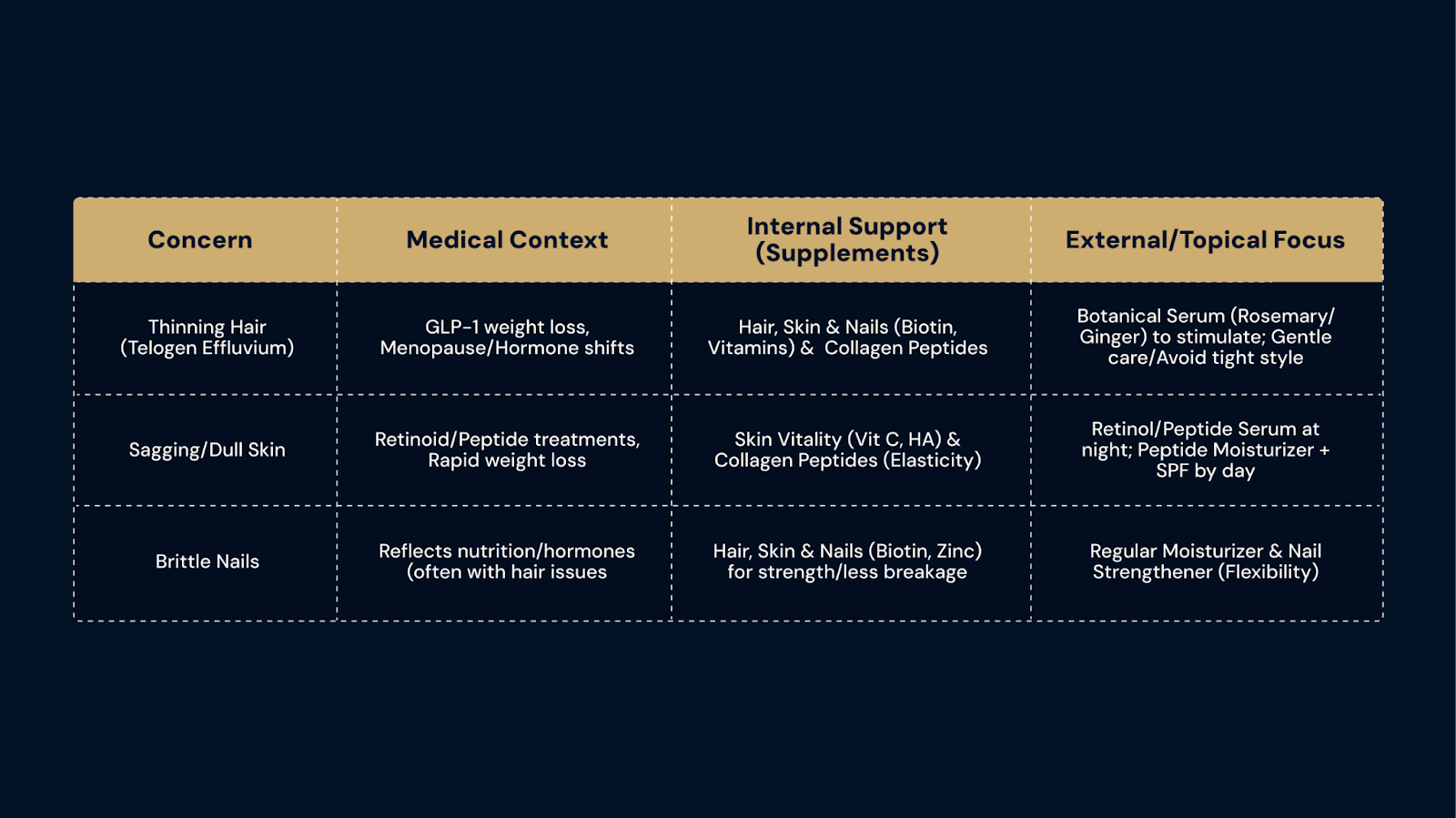
Key Takeaways
- Peptide therapies + smart supplements = best results: Medical treatments like GLP-1 weight-loss shots or HRT can affect skin and hair. Pairing them with targeted supplements (collagen, biotin, antioxidants) and topicals (retinol, peptide serums) helps maintain a radiant complexion and strong strands during your treatment.
- Skin needs inside-out care: Topical retinoids and peptides boost skin collagen from the outside, but don’t forget internal support. Collagen peptide supplements and skin-focused multis (with vitamin C, E, resveratrol, etc.) improve elasticity, hydration, and glow from within[4]. This one-two punch synergistically fights wrinkles and dryness.
- Hair thrives on nutrition + stimulation: Rapid weight loss or hormonal shifts can cause temporary hair shedding (telogen effluvium)[2]. Prevent it by keeping up protein intake and key nutrients (biotin, iron, zinc, vitamin D)[12]. A biotin-rich hair supplement (like Hair, Skin & Nails Essentials) can help reduce hair loss and boost hair growth over time [13]. Topically, natural growth stimulants like rosemary oil have evidence of encouraging regrowth on par with minoxidil [16], making a botanical hair serum a great addition.
- GLP-1 users: Be proactive: Rapid weight loss can lead to sagging skin and hair shedding, but both are manageable. Lose weight gradually, stay very hydrated, and ensure ample protein. Use collagen supplements and a solid skincare routine (moisturizer, retinol, sunscreen) to counteract skin laxity[1][9]. For hair, take your vitamins and consider a scalp serum. These steps help preserve your youthful look while you slim down.
- Hormone harmony helps: If you’re on HRT for menopause, it’s likely to benefit your skin by restoring collagen and hydration [7]. To maximize this, pair HRT with anti-aging skincare and, if desired, a skin nutraceutical (like Skin Vitality Essentials) to further boost elasticity and glow. For hair, HRT can stabilize hormone-related shedding, but additional support from supplements or topicals may still be needed for optimal volume.
- Consistency & holistic approach: The best results come when you integrate these strategies into a routine. A peptide therapy or prescription can kickstart improvements, but daily maintenance with the right products ensures long-term skin and hair vitality. VIVORO’s approach is comprehensive: we address internal health, aesthetic concerns, and emotional well-being together – so you don’t just lose weight or balance hormones, you also look and feel fabulous doing it.
You’ve now got the big-picture strategy. But what does this look like in someone’s actual day-to-day routine? Here’s a simple example of how a VIVORO expert might walk a client through turning these takeaways into an easy, realistic plan.
A Real Conversation with a VIVOR Expert
Client: “I’m on this new peptide injection for weight loss and considering HRT for my hot flashes. It’s working, but... I’ve heard horror stories about ’Ozempic face’ and hair loss. I just turned 50 – I want to be healthy, but I also want to look good! Help?”
VIVORO Expert: “Totally understand! You’re doing all the right things for your health. Now let’s fine-tune the skin and hair side of things. Think of it like this: your peptide injections (GLP-1) and HRT are rebooting stuff from the medical side. Our job is to support your body so it doesn’t miss a beat, keeping you radiant.
First, skin: We’ll keep it firm and glowing. Add a scoop of collagen to your morning coffee – it’ll help replace what rapid weight loss might be taking away[4]. And at night, use a good retinol-peptide serum. It’s like a gym workout for your skin cells – boosts collagen, smooths wrinkles[3]. Since you’re on HRT, you already have a leg up (estrogen’s helping your skin); the serum and maybe a skin-focused supplement (with vitamin C, hyaluronic acid, etc.) will amplify that.
Now, hair: The biggies are nutrition and scalp care. Don’t skimp on protein – aim for, say, a palm-sized portion each meal or a protein shake if you’re not hungry (GLP-1 can do that). Also, our Hair, Skin & Nails Essentials vitamin is basically insurance against hair thinning. High-dose biotin and friends, which help prevent hair loss we often see with rapid weight changes[13]. It’s not instant Rapunzel, but it strengthens what you’ve got and encourages new growth. Topically, I love rosemary oil for hair – have you heard of it? There’s solid evidence it helps regrow hair as effectively as Rogaine (seriously)[16]. We have a rosemary & ginger scalp serum – just massage a dropper into your scalp at night. Feels nice and tingly, and over a few months, you’ll likely see less shedding and some baby hairs coming in.
Client: “This sounds doable. So, collagen in my coffee, that hair vitamin with breakfast, and the serums for face and scalp at night. Anything else?”
VIVORO Expert: “You got it! Also, hydrate – I know GLP-1s sometimes dull thirst, but keep that water bottle handy. And use moisturizer + SPF daily (we don’t want new wrinkles from sun undoing our hard work). If you notice your face looking a bit gaunt, come talk to us – there are tweaks we can do, like adjusting your dose or skin treatments to boost volume. But honestly, with the above plan, you’re covering your bases.
Remember, you’re essentially treating yourself to a holistic makeover: the peptides and HRT are tackling the internal changes, and your new supplement and skincare routine support that on the outside. Give it a little time – these changes don’t happen overnight – but you should start seeing improvements in how your skin feels (more hydrated, bouncier) and your hair’s condition (less shedding) pretty soon.
Keep in touch with us, and enjoy the journey! You’re investing in you, and you deserve to feel confident at every step.”
Client: “Thank you – I feel better already knowing I have a plan. Can’t wait to see some glow with this weight loss!”
VIVORO Expert: “Absolutely! We’re here cheering you on, every facet of the way – inside and out.”
Rediscover Confidence & Radiance with VIVORO

Peptides and hormone therapies can do incredible things for your health, but true radiance comes from supporting your body at every level. When you pair medical treatments like GLP-1 injections or HRT with the right inside-out skin and hair routine, you create a foundation for results that feel good and look good, too. That’s the real beauty of a holistic approach: your health improves, your confidence rises, and your reflection finally begins to match how you feel on the inside.
There’s no one perfect supplement or serum for everyone. Some people glow with simple collagen support, others need a hair-strengthening vitamin to counter rapid weight loss, and many find that peptide-rich skincare is the missing link between “fine” and “fantastic.” What matters most is understanding how your treatments affect your skin and hair, and providing your body with the nourishment it needs to stay vibrant throughout every phase of your wellness journey.
At VIVORO, we make this easier. Our team helps you blend medical care with smart, everyday habits so your progress isn’t just internal — it’s visible in your skin’s bounce, your hair’s strength, and your overall vitality. You get clear guidance, personalized recommendations, and a plan that supports your biology, lifestyle, and long-term goals.
If you’re ready to feel healthier, look brighter, and move through life with more confidence, we’re here to walk that path with you.
Take your 5-minute assessment today and begin your journey with VIVORO.
FAQs (Frequently Asked Questions)
-
What exactly are peptides, and why are they key for skin and hair?
Peptides are short chains of amino acids – basically small proteins that act as signals in the body. In skincare, specific peptides tell your skin to produce more collagen or heal itself, leading to firmer, smoother skin. Some popular cosmetic peptides are Matrixyl (for collagen boosting) and copper peptides (for healing). In hair care, peptides can strengthen strands or stimulate follicles. Medical peptide therapies (like GLP-1 for weight loss or growth hormone secretagogues) use these same principles on a bigger scale – e.g., GLP-1 is a peptide that signals your brain to feel full. They’re key for skin and hair because collagen, elastin, and keratin (hair protein) are all made of amino acids; peptides can promote the production of these proteins, improving skin elasticity and hair strength. In short, peptides are like tiny messengers that can trigger enormous beauty benefits when used correctly.
-
How do collagen supplements improve skin? Aren’t creams enough?
Collagen supplements work from within to support your skin’s structure. Oral collagen peptides have been shown in studies to increase skin hydration and elasticity and reduce wrinkles [4]. When you ingest collagen, it’s broken into amino acids that help your skin build new collagen fibers (and may also trigger your body’s own repair mechanisms by a feedback effect). Topical creams mostly work on the outer layers of skin, and while a good moisturizer is crucial, it can’t reach the deeper dermis where wrinkles form. Think of it this way: creams are like fixing the paint job on a wall, whereas collagen peptides are like reinforcing the wall from behind. Both together yield the best results. Plus, collagen supplements often benefit joints, nails, and hair – an all-around win for a relatively simple addition to your routine.
-
I’ve started a GLP-1 for weight loss and heard about “Ozempic face.” How can I avoid looking older as I slim down?
“Ozempic face” refers to the facial aging or sagging that can occur with rapid weight loss on GLP-1 medications[1]. To minimize this:
Lose weight gradually: If possible, aim for a moderate pace of weight loss so your skin has time to adjust[10].
- Stay hydrated and eat protein: These help maintain skin elasticity. Hydration plumps skin, and protein provides the building blocks for collagen.
- Supplement smartly: Consider taking collagen peptides daily to support skin structure, and a multivitamin with nutrients like C, A, and zinc to support skin health.
- Use targeted skincare: A good moisturizer (with hyaluronic acid, ceramides) will keep skin supple. Also, incorporate a retinol or peptide serum to boost collagen production in the skin[3]. And absolutely wear sunscreen – sun damage will worsen any sagging or wrinkles.
- Cosmetic treatments if needed: If significant facial volume loss occurs, some people opt for dermal fillers or skin tightening procedures. But many can avoid this by following the steps above. Also, don’t overdo calorie restriction; ensure you’re nourishing your body even if your appetite is low (smoothies can help).
Keeping your face looking youthful during weight loss is about supporting your skin’s collagen and avoiding crash dieting. Many Ozempic users have no issue at all, especially when proactive about skin care.
-
Can biotin really make my hair grow faster or thicker?
Biotin (vitamin B7) is often touted for hair growth, but its effects depend on your situation. If you have a biotin deficiency or your diet is lacking, biotin supplementation can significantly improve hair strength and reduce shedding – essentially preventing hair loss[13]. However, if you already get enough biotin from your diet, taking mega-doses may not suddenly give you supermodel hair.
The evidence for biotin making hair grow faster or thicker in otherwise healthy individuals is limited. That said, biotin is very safe, and many people take high-dose biotin (5,000–10,000 mcg) and report reduced hair breakage and stronger nails. Dermatologists frequently recommend it because even if it only helps those with suboptimal levels, it’s an easy fix. Importantly, biotin is one piece of the puzzle – hair needs a combination of nutrients (iron, zinc, protein, etc.) and the absence of stress/hormonal issues to really thrive.
Our stance: If you’re experiencing hair thinning or brittle nails, a biotin-rich supplement like Hair, Skin & Nails Essentials is worth a try for a few months since it covers multiple bases (biotin, vitamins, minerals). It likely won’t turn a bald spot into a ponytail on its own, but it can improve the overall environment for hair to grow. (Just a heads up: very high biotin doses can interfere with specific lab tests like thyroid panels, so always let your doctor know you’re taking it.)
-
Does hormone replacement therapy (HRT) help with skin and hair, or is it just for internal symptoms?
HRT, especially estrogen replacement, does have beneficial side effects on skin (and sometimes hair). Estrogen plays a significant role in skin health – it boosts collagen and moisture levels. Studies have shown that postmenopausal women on HRT have increased skin collagen, thickness, and elasticity compared with those not on HRT [7][8].
Many women notice their skin is less dry and more glowing on HRT. Wrinkle depth may be less, and skin may heal better from injuries. As for hair, estrogen can prolong the growth phase of hair follicles, so HRT may slow down the rate of hair thinning that often comes with menopause. However, HRT is not a dedicated hair loss treatment. If female-pattern hair loss is present, sometimes HRT alone isn’t enough to reverse it (other medications or therapies might be needed). Also, the effects can vary: some women on combined HRT (estrogen + progesterone) have reported a bit of increased shedding initially, likely due to hormone adjustment.
Generally, though, HRT provides a more youthful hormonal environment, which is usually friendly to skin and hair. We consider these aesthetic boosts as a nice bonus to the relief of menopause symptoms. Of course, HRT isn’t for everyone (it has risks and benefits to weigh medically). But if you’re a candidate and you’re also keen on maintaining skin/hair quality, this is a point in the “pros” column for HRT. Always discuss your decision with your healthcare provider to tailor it to your health needs.
-
I’m overwhelmed – what’s a simple routine to start with if I want better skin and hair while on these therapies?
Keep it simple and sustainable. Here’s a basic starter routine:
- Morning: Take your daily Hair, Skin & Nails Essentials (or a comprehensive multivitamin) with breakfast. This covers your bases for biotin, vitamins, and minerals. Apply a moisturizer with SPF on your face (ideally one with antioxidants or peptides). If you can, mix a scoop of Collagen Peptides into your coffee or smoothie – easy and done.
- Evening: After cleansing your face, apply a retinol & peptide serum (most nights – start with 2-3x/week if you’re new to retinol). This will work on fine lines and improve firmness overnight [3]. Follow with a nourishing night cream if you have one (preferably with ceramides or hyaluronic acid for hydration).
- Hair care daily: Use a Botanical Hair Growth Serum on your scalp every night or every other night. Part your hair in a few places, drop the serum in, and massage for a minute. It’s actually relaxing! This stimulates blood flow and delivers rosemary and ginger extracts to your follicles.
- Lifestyle: Aim for a protein-rich diet (e.g., include Greek yogurt, chicken, beans, or protein shakes – whatever you like). Drink water throughout the day. Manage stress (easy to say, hard to do, we know – but things like good sleep and maybe a little meditation or yoga can help, and your hair/skin will thank you).
That’s it. You’ll eventually get more nuanced (maybe adding a vitamin C serum in the mornings or a weekly hair mask, etc.), but even this simple routine will yield improvements. After 3 months, reassess: Is your skin looking more radiant? Does hair fall less in the shower drain? If yes, keep going!
If not yet, give it three more months or see if you need to tweak something (e.g., check thyroid levels if hair is still shedding excessively, or add a more potent serum for stubborn skin issues). Remember, consistency beats perfection. A basic routine done daily beats a 10-step routine done once a month. Start with these fundamentals and build as you feel comfortable.
Glossary of Key Terms
- Peptides: Short chains of amino acids (the building blocks of proteins). They act as signaling molecules in the body. In skincare, peptides can prompt skin cells to produce collagen or heal. Medically, some peptide drugs mimic natural hormones (like GLP-1) to achieve therapeutic effects.
- GLP-1: Stands for Glucagon-Like Peptide-1, a hormone that helps regulate blood sugar and appetite. GLP-1 receptor agonists are medications (e.g., semaglutide, liraglutide) that activate GLP-1 receptors and are used to treat diabetes and as weight-loss drugs. They make you feel full, eat less, and thus lose weight – with the side effect of possible rapid weight loss (see “Ozempic face”).
- HRT (Hormone Replacement Therapy): A treatment often used in menopause (or for other hormone deficiencies) where hormones like estrogen and progesterone are given to bring levels back to a youthful range. HRT alleviates symptoms like hot flashes and also has dermatological effects – it can improve skin thickness, elasticity, and hydration[7]. Bioidentical HRT refers to hormones that are molecularly identical to human hormones.
- Retinol: A form of vitamin A used in skincare as an over-the-counter ingredient (stronger prescription versions are retinoids like tretinoin). Retinol increases cell turnover and boosts collagen production in skin[3], thereby reducing fine lines, improving texture, and helping with acne. It’s a cornerstone of anti-aging skincare.
- Collagen: The most abundant protein in our skin (and body) that provides structure and firmness. Think of it as the skin’s scaffolding. We lose collagen as we age, leading to wrinkles and sagging. Collagen can be supplemented via peptides (ingestible) and stimulated via treatments (like retinol, laser, or peptide injections). Healthy collagen = plump, youthful skin.
- Biotin: Also known as vitamin B7. It’s vital for converting food to energy and for the health of hair, skin, and nails. Biotin deficiency can cause hair thinning and brittle nails. It’s commonly included in hair growth supplements. While not a guaranteed hair-growth cure on its own, it helps prevent hair loss, especially in those with suboptimal intake [13]. Biotin is abundant in foods like eggs, nuts, and whole grains, but the high doses (5,000+ mcg) in supplements are far above dietary levels.
- Telogen Effluvium: A form of temporary, diffuse hair loss often triggered by a stressor (physical stress, illness, drastic weight loss, childbirth, etc.). It occurs when a large number of hair follicles enter the “telogen” (resting/shedding) phase simultaneously, leading to noticeable shedding a couple of months after the triggering event[2]. The good news is, it’s usually reversible – once the body recovers, hair follicles return to the growth phase. Supporting the body with nutrition and stress reduction helps recovery.
- Retinoids: The umbrella term for vitamin A derivatives used in skincare. This includes prescription retinoids such as tretinoin and adapalene, as well as OTC retinol. Retinoids speed up skin cell turnover and boost collagen. They’re among the most evidence-backed ingredients for anti-aging (wrinkles, age spots) and are also used for acne[21][3]. They can cause initial dryness or irritation, so they must be introduced slowly. Sunscreen is a must with retinoids, as they make skin more sun-sensitive.
- Rosemary Oil: An essential oil from the herb rosemary. In hair care, rosemary oil has gained fame as a natural growth stimulant. Studies have shown that regular application of rosemary oil can improve hair count similarly to minoxidil 2% after 6 months[16]. It likely works by increasing scalp circulation and by exerting anti-inflammatory effects. It’s often used diluted in carrier oils or formulated into serums (like our Botanical Hair Growth Serum) rather than by itself, to avoid irritation.
Reference List
- [1] [9] What to know about “Ozempic Face”- https://www.medicalnewstoday.com/articles/ozempic-face
- [2] [10] [11] [12] [19] [20] Ozempic Face & Other Changes From GLP-1s | Pure Dermatology | Metairie, LA- https://puredermnola.com/ozempic-face/
- [3] [21] Do retinoids really reduce wrinkles? - Harvard Health- https://www.health.harvard.edu/staying-healthy/do-retinoids-really-reduce-wrinkles
- [4] Collagen Supplements for Aging and Wrinkles: A Paradigm Shift in the Fields of Dermatology and Cosmetics - PMC - https://pmc.ncbi.nlm.nih.gov/articles/PMC8824545/
- [5] Oral administration of hyaluronic acid to improve skin conditions via- https://pmc.ncbi.nlm.nih.gov/articles/PMC10661223/
- [6] Ingestion of an Oral Hyaluronan Solution Improves Skin Hydration- https://journals.sagepub.com/doi/10.1177/2156587217743640
- [7] [8] HRT for Skin: Embracing Aging with Confidence | Winona- https://bywinona.com/journal/hrt-as-an-anti-aging-treatment-for-your-skin?srsltid=AfmBOopoqE1TH8bK2_oGQ99FFbhND-B0qsyasp8ntUXTINB6tRxSZvoY
- [13] Does Biotin Really Work for Hair Growth?- https://health.clevelandclinic.org/is-biotin-as-good-as-advertised-for-your-hair-loss
![Peptides like GLP-1 agonists are powerful health tools, but misconceptions often cloud their reputation. Discover why these therapies have stigma and how to separate myths from facts in the pursuit of better health, longevity, and performance. Why do Peptides (Including GLP-1s) Have So Much Stigma — and How to Cut Through the Noise to What Is Real Quick Answer: Peptides are short chains of amino acids that act as messengers in the body, and they include breakthrough treatments like GLP-1 agonists for weight loss. So why the stigma? Misconceptions fuel it; some people confuse peptide therapies with steroids or view weight-loss injections as a “cheat.” In reality, medically supervised peptide treatments can be safe and transformative, helping to manage obesity, repair tissues, or boost wellness when used responsibly in conjunction with healthy lifestyle changes [1][2]. Cutting through the noise means separating myth from fact, embracing guidance from experts, and remembering that needing medical help is nothing to be ashamed of.[3] “Peptides.” The word alone might spark confusion or controversy. You may have heard whispers at the gym or sensational headlines online: Are peptides like mini steroids? Isn’t Tirzepitide just an easy way out for weight loss? With all the noise, it’s no wonder these therapies carry a stigma. Yet peptides — including GLP-1 medications, which are making headlines — are also helping people achieve real health breakthroughs. In this article, we’ll demystify what peptides are and why they’ve attracted so much skepticism. More importantly, we’ll cut through the chatter and get to what’s real: the science-backed benefits, the valid concerns, and how to make informed decisions. If you’re a 30–60-year-old looking to optimize your weight, wellness, or longevity, and do it smartly, read on. We’ll tackle myths, share facts, and even sprinkle in a bit of humor along the way. By the end, you’ll see why peptides don’t deserve the dirty looks — and how, used right, they might just be a game-changer for your health. What Are Peptides, and Why Are They So Popular? Peptides are essentially tiny proteins — short chains of amino acids that our bodies use as signaling molecules. Think of them as little messengers telling your cells what to do[4]. Some peptides occur naturally, and others are made into medications or supplements. In recent years, peptides have become buzz-worthy in wellness and medicine because they can target specific functions with precision: Building muscle and burning fat: Certain peptides signal the body to increase growth hormone levels, helping with muscle growth, fat loss, and recovery. For example, Sermorelin is a peptide often used to naturally stimulate growth hormone release for improved body composition and recovery [5][6]. Weight loss and metabolism: The now-famous GLP-1 medications are peptide-based medications that mimic a hormone to reduce appetite and control blood sugar[7]. They’ve shown dramatic results in helping people lose significant weight safely[8]. Healing and regeneration: Certain peptides facilitate tissue repair. BPC-157, for instance, is a peptide being researched for its ability to speed up healing of skin, muscle, and even tendons[9]. Skin and hair vitality: Other peptides can boost collagen or stimulate hair growth. GHK-Cu, a copper peptide, is known to support skin repair and hair regrowth[10], making it a popular ingredient in anti-aging skincare. Immune function and more: Peptides like Thymosin Alpha-1 can modulate the immune system[11], potentially helping your body fend off illness. There are mitochondrial peptides (e.g., MOTS-c) being explored for their potential benefits to energy and metabolic health [12]. In short, if there’s a bodily function, chances are there’s a peptide influencing it! Why all the hype? Unlike blunt tools, such as a typical medication that may have widespread effects, peptides often work in a more targeted manner, acting on specific receptors or processes. This can result in fewer side effects compared to some traditional drugs, which is a significant advantage [2]. For instance, using a GLP-1 peptide to aid weight loss targets appetite hormones rather than jolting your whole system like old-school diet pills[13]. At the same time, peptides are not science fiction or “fringe” anymore — providers are prescribing them, and the FDA has approved many peptide-based drugs, from insulin to GLP-1 agonists. In fact, between 2016 and 2022, the FDA approved 26 new peptide medications, reflecting the mainstreaming of this field in medicine [14]. So peptides sound amazing. They certainly can be. But if that’s the case, why do they also raise eyebrows? To understand this, let’s examine the origins of the stigma. Why Do Peptides Have a Stigma? Despite their benefits, peptides are often overlooked. Let’s break down the primary reasons these treatments have gathered stigma and bust some myths in the process: Stigma Source 1: “Peptides ≠ Steroids (aka Dangerous Doping)” One big misconception is lumping peptides in with anabolic steroids or other sketchy performance enhancers. Athletes and bodybuilders have indeed used both peptides and steroids to gain an edge, and both are sometimes referred to as PEDs (performance-enhancing drugs)[15]. But that’s where the similarity ends. The reality: Peptides are not anabolic steroids. Steroids, like synthetic testosterone, are powerful hormones that forcibly push the body in specific directions, often with side effects (mood changes, liver stress, etc.). Peptides, on the other hand, are more like natural signals — they encourage your body’s own processes rather than hijack them[16][17]. For example, a peptide might nudge your cells to burn fat for energy or release growth hormone in a balanced way, whereas an anabolic steroid might flood you with synthetic hormones. Brian Graham, a certified peptide specialist, puts it simply: “Steroids are synthetically manufactured hormones while peptides are naturally occurring chains of amino acids that your body produces for itself.”[16] The risk profile of medically used peptides is generally much gentler than that of steroids[18][19]. In fact, many peptide therapies were developed to avoid the dangers of steroids, offering safer alternatives for muscle building, anti-aging, etc. Unfortunately, because some peptides, like growth hormone releasers, are banned in sports and sometimes obtained through gray markets, people hear “peptides” and think of illicit doping. This paints a negative picture of peptides as unregulated or unsafe. And yes, buying random vials of “research peptides” online can be risky — the quality varies, and you might not even get what’s advertised [20][21]. But that’s an argument for better oversight, not a reason to demonize peptides altogether. When sourced from a proper medical provider and used correctly, peptide therapies are a world apart from underground steroid abuse. Stigma Source 2: Weight Loss “Shortcuts” and the Willpower Myth Perhaps the biggest stigma storm swirls around GLP-1 peptide drugs (like semaglutide and brand names Ozempic®). These medications have made headlines for helping patients lose significant weight — and also for celebrity gossip and social media chatter. Some people deride GLP-1 shots as a vanity drug or a “lazy cheat” for weight loss. You might have seen snarky comments online about folks taking “fat jabs” instead of hitting the gym. Why the hate? It ties into a broader weight stigma. For a long time, society and even many healthcare providers have viewed obesity purely as a failure of personal willpower. By that flawed logic, taking a medication to lose weight might be seen as an “easy way out” instead of doing the (supposedly) morally superior thing of dieting harder. The media hasn’t helped — headlines about Hollywood stars using Ozempic to slim down for the red carpet feed the idea that these injections are a frivolous shortcut.[22] But let’s inject some reality here - pun intended. Obesity is a complex chronic condition, not a simple lifestyle choice, and treating it is not cheating. As Dr. Judith Korner, an obesity medicine specialist at Columbia University, explains: many patients who seek GLP-1 treatment “have had near lifelong struggles with losing and regaining weight… they’ve tried Weight Watchers, keto, and many other approaches, and they’ve realized they need help, because what they have been doing is just not working.”[23] For these individuals, GLP-1 medications are a tool — not a magic solution, and indeed not a free pass. Patients on these medications still need to watch their diet and stay active; the drug helps level the playing field biologically by reducing appetite and stabilizing blood sugar swings [24]. Importantly, using a GLP-1 agonist to treat obesity is as legitimate as using insulin to treat diabetes or an inhaler for asthma. As Dr. Korner put it: “People shouldn’t feel ashamed to take medication that treats a chronic disease. We’re not ashamed to take drugs for high blood pressure; why for obesity?”[25] The stigma here is slowly being challenged as folks recognize obesity as a medical issue rather than a moral one[26]. However, the noise on social media can still deter someone from seeking these treatments. It’s heartbreaking because, as Dr. Korner notes, we have “a wonderful medication that is working and helping manage a disease that is so difficult to treat, but that message is not getting out there”[27]. Instead, gossip about a particular celeb fitting into a dress grabs the spotlight.[28] We need to refocus on health outcomes over snarky soundbites. Stigma Source 3: Fear of Side Effects and the Unknown Whenever a new therapy gains popularity, a healthy skepticism often accompanies it. People ask (rightly), “Is this proven safe? What are the side effects? I heard XYZ can happen.” With peptides, this caution sometimes blows up into fear. For example, as GLP-1 weight-loss injections boomed, there were sensational reports of side effects like nausea, muscle loss, or even things like face aging (“Ozempic face”) and hair loss. Some folks also worry, “If I start on a peptide, will I mess up my natural hormones or have to stay on it forever?” There’s a kernel of truth here: peptides are potent signals in the body, and any therapy can have side effects. Some peptide users, like those on GLP-1 drugs, do experience nausea or gastrointestinal upset initially. Over-supplementing growth hormone peptides without a need could potentially disrupt your hormone balance. So caution is warranted — nobody should use these willy-nilly without understanding what they’re doing. However, the evidence so far is largely reassuring for most medical peptide therapies. For instance, extensive clinical trials have shown that GLP-1 agonists have a favorable safety profile, with side effects such as nausea generally manageable and serious adverse events rare [29]. They’ve been used in diabetes for over a decade. That’s not to say, “zero risk”, but these drugs aren’t some dangerous mystery potion — they’re well-studied medications when used as indicated. A significant amount of fear also stems from improper use. It’s absolutely possible to misuse peptides: taking too high a dose, combining too many at once, or using ones that aren’t appropriate for you. In recent years, a black market for peptides has grown online, with people ordering unvetted products and injecting themselves without medical guidance[30][31]. Not surprisingly, there have been cases of complications from that route (infections, dosing errors, or just getting scammed with a fake product). These stories can further tarnish the reputation of peptides. The takeaway: Peptides aren’t inherently dangerous, but they require knowledge and respect. Just as you wouldn’t randomly mix and match prescription drugs on your own, peptide regimens should be handled with care. When people hear horror stories, it’s often a result of unsupervised or unethical usage, rather than the peptide molecules themselves being inherently evil. Stigma Source 4: Media Hype, Misinformation, and “The Noise” Last but not least, the general commotion surrounding peptides creates confusion. Social media can be a double-edged sword in this regard. On platforms like TikTok, “peptide talk” is trending — sometimes helpfully (with people sharing success stories or tips), but other times spreading misinformation. One week, a TikTok video hypes a peptide as a miracle youth serum; the next, another post claims peptides will wreck your health. It’s hard for the average person to know what’s real. Case in point: the trend of calling various teas or supplements “nature’s Ozempic” went viral, leading some to think they can mimic GLP-1 effects with random herbs (spoiler: not true). Or consider the so-called “Lemon Bottle” craze on social media, which involved an off-label peptide injection for reducing neck fat[32]. Non-experts were promoting it without emphasizing the need for medical oversight, prompting concerns. As one observer noted, in the Peptidetok community, the peptide chatter on TikTok, lots of users have safety fears due to rumors that peptides cause serious health issues[32]. In reality, many peptides are naturally occurring and used in medicine; however, a few viral posts showing adverse reactions can instill an exaggerated fear. Moreover, media coverage tends to pick extreme angles — e.g., “New weight-loss shot causes X side effect!” or “Peptide Y, beloved by biohackers, under FDA scrutiny!” While it’s essential to report issues, these flashes can make peptides seem scandalous or experimental when, in fact, many have been in research for decades. All this noise can make anyone’s head spin. Misconceptions thrive in this environment, fueling stigma. The best antidote is solid information and guidance, which brings us to our next section. Cutting Through the Noise: Facts vs. Myths Let’s set the record straight on peptides with some plain truths, so you can move past stigma and make informed choices. Here are some common myths debunked: Myth: “Peptides are untested, risky business.” Reality: Peptide therapies are not wild experimentation in someone’s basement lab. Many peptide drugs are FDA-approved or in advanced clinical trials. For example, insulin (for diabetes) is a peptide hormone, as are GLP-1 agonists like semaglutide[33]. Researchers have developed over 100 therapeutic peptides for conditions ranging from cancer to osteoporosis [34]. Of course, not every peptide touted online has robust evidence to support its claims. However, the category as a whole is supported by a growing body of scientific literature [14][35]. When used appropriately, peptides can be as legit as any other modern medical treatment. Myth: “Taking a GLP-1 for weight loss is a cop-out for the lazy.” Reality: Obesity treatment is health care, not a moral failing. Using medication to treat a physiological condition is a valid approach. As we discussed earlier, GLP-1 drugs help correct biological factors (such as hormone signals for appetite and insulin) that make sustained weight loss notoriously challenging [36]. Patients on these medications still make an effort with diet and exercise; the peptide simply helps their body respond better to those efforts [24]. In fact, medical guidelines now often include GLP-1 agonists as part of comprehensive obesity management for those who qualify. It’s not about willpower — it’s about giving people a fair shot at health. There should be no shame in that[25]. Myth: “Peptide therapy is basically DIY biohacking — you’re on your own.” Reality: While it’s true that peptides are popular among biohackers, you don’t have to go it alone - and you shouldn’t! Reputable providers (like VIVORO) offer medically supervised peptide therapy as part of their services. This means licensed healthcare professionals evaluate your needs, prescribe pharmaceutical-grade peptides, and monitor your progress — just as they would with any other treatment. Supervision matters: one clinic notes that improper dosing or the use of peptides without laboratory tests can lead to issues such as swelling, fatigue, or hormonal imbalances [37]. However, with proper medical guidance, those risks can be minimized. So, rather than being some rogue experiment, peptide therapy can and should be done under expert care. Myth: “Once you start peptides, your body will stop doing things naturally.” Reality: This is a common concern — for example, if you use a peptide to boost growth hormone or testosterone, will your body produce less on its own? In some cases, specific hormone therapies can suppress the natural production of hormones. However, many peptides function by stimulating natural hormone pulses, rather than replacing them outright. For example, Sermorelin signals your pituitary to release growth hormone in a physiologic way, rather than flooding you with GH. When used in appropriate cycles or doses, such peptides aren’t known to shut down your own hormones permanently. Of course, this is a nuanced area and depends on the peptide and the individual. A doctor can design protocols (with periodic breaks if needed) to avoid long-term dependency. And for something like GLP-1 for weight loss: if a patient stops the shots, their appetite hormones will likely revert to baseline (meaning weight maintenance will require continuing healthy habits or another plan). That’s similar to many treatments — the benefit lasts as long as you use it. It doesn’t mean your body is “ruined” without it; it just means the medication was addressing a problem that may resurface if treatment stops. In short, peptides aren’t about permanently taking over your biology; they’re about giving it a helpful boost or balance. Myth: “Peptides will make me look like a bodybuilder overnight.” Reality: If only it were that easy! Yes, specific peptides can enhance muscle growth or fat loss, but they are not magic wands. You won’t wake up with Hulk muscles or a supermodel body simply from a few injections. Peptides are typically part of a larger puzzle. You’ll still be hitting the gym, eating protein, and sleeping enough to see results from a muscle-building peptide. Likewise, a weight-loss peptide helps control hunger, but you choose what to eat and whether to stay active. Some people have unrealistic expectations (often thanks to online hype) that peptides = instant transformation. Setting realistic goals is crucial. The good news is, when combined with healthy lifestyle changes, peptides can help you achieve results that previously felt out of reach — whether it’s losing those stubborn 30 pounds or recovering faster from workouts. Be cautious of anyone online promising miracle results without effort; that’s a red flag for potential misinformation. Now that we’ve cleared the air on some myths, let’s look at the real benefits peptides offer and how to approach them wisely. The Real Deal: Benefits of Peptide Therapies (Backed by Science) Stigma aside, why are people — from Hollywood celebs to busy parents to retirees — turning to peptides? Simply put, when used correctly, peptides can unlock health and performance benefits that are hard to achieve otherwise. Here are a few science-backed highlights: Sustainable Weight Loss GLP-1 peptide medications have been a game-changer for weight management. In clinical studies, weekly semaglutide injections helped patients lose an average of ~15% of their body weight over a period of slightly more than a year [8]. To put that in perspective, an individual at 200 lbs might drop around 30 lbs, results that are often only seen with bariatric surgery. Moreover, losing weight through GLP-1 can lead to significant health improvements, including lower blood pressure, improved blood sugar control, a reduced risk of diabetes, and even improvements in conditions such as fatty liver disease and sleep apnea [26][38]. This isn’t just about fitting into smaller jeans; it’s about tangible health gains. For those concerned about weight regain, emerging evidence suggests that pairing these medications with ongoing lifestyle support or maintenance doses can help maintain the weight loss in the long term — an area of active research and one where medical guidance is crucial. Improved Body Composition and Performance For individuals seeking to build lean muscle, recover more quickly, or generally “biohack” the aging process, peptides offer a compelling set of tools. Growth hormone-releasing peptides (like CJC-1295, Sermorelin, Ipamorelin, or Tesamorelin) can stimulate your own growth hormone and IGF-1 levels in a more natural rhythm, which may lead to increased muscle mass, better recovery from workouts, and reduced visceral fat[5][39]. Unlike taking actual growth hormone (which can have significant side effects and costs), these peptides gently nudge your pituitary gland to work a bit harder on its own. Meanwhile, other peptides have been shown in studies to increase muscle mass and bone density in older adults by boosting growth hormone. The bottom line: peptides are being used to help people stay strong and vital as they age, potentially extending the years of quality life (healthspan). They’re not a replacement for pumping iron or eating well, but they amplify the benefits of a good fitness regimen. Faster Healing and Recovery Have you ever heard of professional athletes traveling to Europe to receive specialized injections for a quicker recovery from injury? There’s a good chance peptides were involved. Peptides are famous for their regenerative potential. In animal studies, BPC-157 has been shown to accelerate the healing of torn tendons, muscle damage, and even gut ulcers [9]. While we await the results of large-scale human trials, anecdotal use by doctors in sports medicine is increasing. People who’ve struggled with chronic tendonitis or slow-healing injuries sometimes report that peptide therapy got them “over the hump” when nothing else did. There’s also PRP (platelet-rich plasma) therapy for injuries, which isn’t a peptide but works on a similar idea of using the body’s signals to promote healing — and these can be used in tandem. For someone recovering from surgery or dealing with nagging injuries, the right peptide could mean getting back in action weeks faster. Again, always under proper medical care — seeing a trend here? Youthful Skin, Hair, and Beyond Vanity isn’t the focus of this article, but hey, who doesn’t like a side benefit of looking better? Specific peptides have made their way into dermatology and hair restoration. Collagen-boosting peptides in skin creams, such as short chains that signal the skin to produce more collagen, can help reduce wrinkles and improve elasticity. More directly, GHK-Cu is a peptide used in specialty serums and microneedling treatments that has been shown to improve skin firmness and even reduce photo-damage. For hair, there are peptide-based solutions, such as PTD-DBM (a newer peptide under study) and GHK-Cu, which aim to stimulate follicles for regrowth. And remember those GLP-1 weight-loss meds? A downside is that rapid weight loss can sometimes accelerate hair shedding or sagging skin in the short term. This has led many wellness clinics to pair peptide therapies together — for example, using a GLP-1 for fat loss alongside peptides for skin tightening and hair support[5][10]. It’s a holistic approach: improve the inside and take care of the outside too. While results vary from individual to individual, the ability to target cosmetic concerns without surgery (using the body’s own healing mechanisms) is a significant perk of peptide technology. To sum it up, the real value of peptides is in augmentation – they augment your body’s natural capacities. Want to lose weight, but your hormones fight back? A peptide can tilt the odds in your favor. Trying to get fit, but Father Time is slowing recovery? A peptide might accelerate slightly. The key is, they work best as part of a comprehensive plan: you address nutrition, exercise, sleep, stress, and use peptide therapy as a boost. That’s how you “cut through the noise” and get sustainable results. Peptide Therapy Applications To provide a clearer picture, here’s a quick reference table of popular peptides and their functions (some of which we’ve mentioned above). It separates the real uses from the hype: Peptide Name Primary Uses Status & Notes Semaglutide (GLP-1 analog) Weight loss; Type 2 diabetes management FDA-approved for diabetes (Ozempic) and obesity (Wegovy). Mimics GLP-1 hormone to reduce appetite and lower blood sugar[7]. Highly effective for weight loss, especially when combined with a diet/exercise. Tirzepatide (Dual GLP-1/GIP) Weight loss; Type 2 diabetes FDA-approved for diabetes (Mounjaro) and approved in 2023 for obesity (Zepbound). A dual-action peptide that showed ~20% average weight loss in trials[40] – a potential game-changer. CJC-1295 + Ipamorelin / Sermorelin Fitness, anti-aging (muscle gain, fat loss, recovery, better sleep) Not FDA-approved purely for anti-aging; used off-label. These peptides are often combined to stimulate the natural release of growth hormone[5]. Early research, along with numerous anecdotal reports, suggests improved body composition and recovery. Requires prescription and medical oversight. BPC-157 Tissue healing (muscles, tendons, gut) Not FDA-approved; experimental use in sports medicine and functional medicine. In animal studies, it accelerates the healing of various tissues [9]. Used off-label for people with stubborn injuries or inflammatory bowel conditions. Generally, injected or oral, quality sourcing is critical (it should be from a compounding pharmacy if used). GHK-Cu (Copper Peptide) Skin rejuvenation; Hair regrowth; Wound healing Available in cosmetic products (not a drug). Well-known to increase collagen in skin, improve elasticity, and has been shown to thicken hair in some small studies[10]. Often applied as a serum or cream, it can also be used in conjunction with microneedling for enhanced absorption. Minimal side effects topically. Thymosin Alpha-1 Immune support (potentially improving immune response in chronic infections or even as an adjunct cancer therapy) Approved in some countries (like Italy) for treating certain infections and used in cancer trials; in the US, it’s an experimental therapy via compounding pharmacies. Helps modulate the immune system and was studied for uses like hepatitis and even COVID-19. Generally well-tolerated; seen as an immune “tune-up.” MOTS-c Metabolic enhancement (energy, insulin sensitivity) Experimental (not FDA-approved). It’s a peptide derived from mitochondria. Early research suggests it might improve insulin sensitivity and metabolic flexibility. Being explored for conditions like metabolic syndrome. Only available through research channels and a few progressive clinics. Here’s a quick snapshot of everything you need to know about peptides. As you can see, “peptides” cover a wide range of therapies — some are mainstream medicines, others are cutting-edge experiments. That breadth is part of why there’s confusion! However, it also means that a peptide solution may be available for various wellness goals, ranging from weight loss to improved skin to increased longevity. How to Use Peptides Safely and Smartly If you’re now curious, or more interested than before, about peptide therapies, you might wonder: How do I get started in a safe, stigma-free way? Here are some practical tips to cut through the noise and reap the rewards: 1. Consult a Knowledgeable Healthcare Provider Don’t DIY your peptide journey. The most effective way to utilize these therapies is under the guidance of a healthcare provider who has experience with them. This could be a physician at an anti-aging clinic, an endocrinologist, or a telehealth service like VIVORO that specializes in hormone and peptide solutions. A knowledgeable provider will evaluate your health history, maybe run bloodwork, and help determine which (if any) peptide is appropriate for you. They’ll also source it from a legitimate pharmacy. This addresses a lot of the stigma issues head-on: you’re not doing something “shady” or risky if you have an expert in your corner. Plus, you can ask all those questions: Is it safe? What are the side effects? What if I stop and get answers tailored to you? 2. Insist on Medical-Grade Products One huge way to stay safe is to avoid black-market peptide products. As tempting as online prices may be, you simply don’t know what you’re getting from an unverified seller on the internet. The FDA has warned about counterfeit or impure peptides being sold online, especially given the high demand for products like semaglutide (fake Ozempic pens)[41]. VIVORO will provide tested, quality-controlled peptides. It might cost more, but your health is worth it. Think of it like choosing food: you’d rather pay for the clean, fresh produce than get a dubious can from a sketchy source. 3. Embrace a Holistic Plan Peptides work best when they’re part of a bigger wellness picture. Remember, these aren’t magic bullets; they amplify your efforts. If you opt for a GLP-1 for weight loss, consider also engaging with nutritionists or health coaches to develop sustainable eating habits. If you start a peptide for muscle gains, continue to hit your workouts and fine-tune your protein intake. If you’re addressing aging and hormone balance, don’t forget stress management, sleep quality, and maybe other therapies like vitamins or HRT if needed. VIVORO’s philosophy, for example, is “modern medicine with nutrition, fitness, mental well-being, and lifestyle practices”– in other words, holistic wellness. By combining proven therapies like peptides with healthy lifestyle changes, you genuinely get the best of both worlds (and you’ll feel way better than relying on any one thing alone). 4. Start Low and Go Slow This is a general rule for any new therapy. With peptides, often a lower dose can achieve great results with minimal side effects. Your provider will likely start you on the lowest effective dose and gradually increase it as needed. For instance, patients on semaglutide usually begin at a small dose to reduce the chances of nausea, then slowly increase over weeks[43][44]. If you’re taking a peptide and feeling too many side effects, speak up — sometimes adjusting the dose or timing (or taking a break) can make a big difference. There’s often a sweet spot where benefits are maximized and side effects minimized. 5. Don’t Be Afraid to Ask Questions (or to Say No) Part of cutting through noise is seeking clarity. If a provider suggests a peptide and you’re not sure why, ask them to explain the rationale and share any research or success stories they’ve seen. Good providers will be happy to educate you — after all, education and empowerment are pillars of good healthcare. Conversely, if someone is pressuring you to use a therapy you’re uncomfortable with or you find conflicting info, it’s okay to pause. You can always get a second opinion. Use reputable sources to research (tip: if you read a claim online, try to find if there’s a cited study or a credible article backing it up). Taking charge of your health choices will help you feel confident rather than swayed by stigma or hype. 6. Build a Support Network One of VIVORO’s core values is Community & Support[46], and for good reason. Tackling health goals can be daunting, especially if people around you are skeptics. Try to connect with others who have been through the journey. This could be a support group for weight loss, an online forum about peptide therapy, or simply a medically savvy friend. Hearing real experiences — the ups and downs — can keep you grounded and motivated. It also helps dissolve stigma: when you know Joe in your community lowered his A1c and lost 50 lbs on a GLP-1 and is now off some meds, it feels less like “cheating” and more like taking care of yourself. If you don’t have a personal network for this, VIVORO and similar wellness services often provide access to communities or coaches. Remember, you’re not alone; many people are on similar paths, quietly improving their lives with a bit of help from peptide science. In Summary (Stigma No More) Let’s wrap it up on a conversational note. Peptides aren’t boogeymen — they’re tools. Pretty neat ones, in fact, that bridge the gap between our body’s natural signals and the modern miracles of medicine. Yes, they’ve gotten a bit of a bad rep in some circles. But now you know that a lot of that stigma comes from misunderstanding, some sensationalism, and the remnants of outdated attitudes like judging people for seeking medical help with weight loss. Imagine a world where needing a peptide to balance your health is seen no differently than needing glasses to see or taking a statin for cholesterol. That’s the world we’re heading towards: one where each individual can confidently pursue health, free from stigma, empowered with knowledge, and supported by a compassionate community [47][48]. At the end of the day, what’s “real” about peptides is that they help people. They help patients reclaim their health, whether it’s shedding harmful pounds, recovering from injuries, or regaining youthful energy. And what’s also real is that they’re not a free lunch — you have to use them wisely, ideally with expert guidance and a healthy dose of common sense. So, if the noise has deterred you, I encourage you to look past the stigma. Do your research, hopefully this article provides a solid starting point!, consult with medical professionals, and weigh the pros and cons for your specific situation. Peptides might not be for everyone, but for many, they can be life-changing. And if you decide to leap, you’ll be doing so with eyes open and head held high — not hoodwinked by hype, and certainly not feeling ashamed for choosing a modern solution to optimize your wellness. Your health journey is yours alone; don’t let misconceptions or murmurs on the sidelines steer you away from something that could genuinely improve your life. Cut through that noise, trust the science and your support system, and make the choice that empowers you. Here’s to living healthier, stronger, and longer — with all the tools that 21st-century wellness has to offer! Unlock Your Next Level of Wellness with VIVORO Peptide therapy can feel like a maze of hype, claims, and confusion, but at its heart, it is simply another tool to help your body work the way it’s meant to. Whether you are looking to manage weight more comfortably, boost energy, improve recovery, or support healthier skin and hair, the real power comes from understanding what your body needs and choosing a plan that fits your life. There is no one perfect peptide or magic formula. Some people respond best to gentle GLP-1 support, while others thrive with performance peptides that help them feel strong and capable again. Some enjoy the confidence that comes from healthier hair and smoother skin. What matters most is listening to your body and not brushing off fatigue, slow recovery, mood changes, or stubborn weight as “normal.” You deserve care that helps you feel steady, energized, and fully present in your daily life. At VIVORO, we help you navigate these options with clarity and support. Our telehealth team creates personalized plans that blend science, safety, and practicality in the real world. You are never left guessing. With thoughtful guidance, lifestyle support, and treatments tailored to your unique biology, wellness becomes less complicated and more achievable. If you are ready to understand your body better and take the next step, we are here to guide you on that journey. Let’s help you feel stronger, clearer, and more in control of your health. Take your 5-minute assessment today and begin your journey with VIVORO. FAQs (Frequently Asked Questions) Are peptides the same as steroids or growth hormones? No. Peptides are short amino acid chains that can signal the body to do specific things, whereas anabolic steroids are synthetic hormones that globally affect your body[16]. Think of peptides as targeted messengers and steroids as brute-force hormone therapy. For example, a peptide might encourage your body to release a bit more of its own growth hormone in a natural pulse, while steroids might flood you with synthetic hormones. The result is that peptides tend to have fewer systemic side effects and a different safety profile. They’re also often legal with a prescription, whereas non-medical steroid use is illegal and risky. So, while both can enhance performance or body composition, they differ significantly in their actions and side effects. Do GLP-1 weight loss injections like Ozempic have serious side effects? For most people, no serious side effects are rare. The most common side effects of GLP-1 agonists (e.g., semaglutide) are gastrointestinal, such as nausea, vomiting, or indigestion, especially when first starting or increasing the dose. These often subside as your body adapts, and starting at a low dose helps minimize discomfort[29][43]. There are some uncommon risks to be aware of: a small percentage of patients may get inflammation of the pancreas (pancreatitis) or gallbladder issues, and people with a personal or family history of a specific thyroid cancer are usually advised not to take these. There have been anecdotal reports of things like temporary hair thinning or “saggy skin” when losing weight fast on GLP-1s, but those are usually addressed with proper nutrition, supplements, or adjunct therapies (not reasons to avoid treatment, just to have a holistic plan). Overall, GLP-1 medications have been deemed very safe in large-scale trials [29]. Doctors monitor patients for any adverse effects, and the vast majority of people tolerate the drug well. Always discuss your medical history with your provider to ensure it’s a fit, but don’t let exaggerated horror stories online scare you unnecessarily. Will I regain weight after stopping a GLP-1? It’s possible to regain some weight if the underlying habits or physiological drivers of weight aren’t addressed — this is true of any weight loss method, not just peptides. GLP-1 agonists help curb appetite and improve metabolism while you’re using them. If you stop the injections, your appetite hormones may revert to their old ways, which could make weight creep back up if nothing else has changed. That said, many patients use the momentum from their weight loss to cement healthier diets and exercise routines, which can help maintain weight after stopping. Some strategies to prevent regain include tapering off the medication slowly, continuing follow-ups with a nutritionist or health coach, and possibly using a lower maintenance dose long-term (a decision to be made with your doctor). The key is viewing GLP-1 not as a one-time fix, but as a kick-start to a sustainable lifestyle change. And if staying on a low dose longer-term is what keeps a chronic condition like obesity under control, that’s okay too – obesity specialists often consider obesity a relapsing condition, so ongoing treatment (just like for blood pressure or diabetes) isn’t shameful if needed. Are peptide therapies legal? Yes, many peptide therapies are perfectly legal when prescribed by a licensed medical professional for a valid purpose. FDA-approved peptide drugs (like those for diabetes, osteoporosis, multiple sclerosis, etc.) are obviously legal when obtained via prescription. Even peptides used off-label (like growth hormone secretagogues or BPC-157) can be legally prescribed by physicians and compounded at specialty pharmacies in countries like the US. The confusion arises from over-the-counter sales: some companies have marketed peptides as “research chemicals” or supplements to circumvent regulations – that’s a gray area and not technically legal for human use. The FDA has been cracking down on direct-to-consumer peptide sales that skip doctor oversight[49][35]. So, get your peptides through a healthcare provider. It’s legal and safer that way. If you see peptides advertised online without a prescription, that’s likely not a legal source (and could be unsafe). In summary: with a prescription and proper channels, you’re on solid legal ground. How quickly do peptides start working? It varies widely depending on the peptide and its intended use. Some people notice effects within days, while others may take weeks or months. For instance, with GLP-1 weight loss injections, many individuals notice reduced appetite within the first week or two, and measurable weight loss within a month. Peak weight loss typically occurs within 3-6 months of therapy and can continue as long as the treatment is maintained[44][8]. For healing peptides like BPC-157, users sometimes report improvements in pain or recovery in a couple of weeks, but again, this can be subjective. Muscle-building peptides (such as CJC-1295/Ipamorelin): you may notice improved sleep almost immediately (a reported effect of increased growth hormone), but visible changes in muscle/fat could take 1-3 months of consistent use alongside training. Skin/hair peptides (such as GHK-Cu): topical use may show noticeable improvements in skin within a month or two; hair results may take several months of regular application. In all cases, patience is key. Peptides often gently nudge bodily processes, so give them time to do their job. If nothing is happening after a reasonable period, consult your provider – the dosage or choice of peptide may need adjustment. What does VIVORO offer in terms of peptide solutions? VIVORO is a wellness provider that blends medical expertise with holistic wellness via convenient virtual care. In practice, this means VIVORO’s team can evaluate your goals in areas such as weight management, performance, hormone balance, or skin/hair health to determine if peptide therapy is an appropriate part of your personalized plan. We offer solutions including hormone therapy, performance peptides, medical weight loss programs with GLP-1s, and hair/skin treatments – all delivered with an emphasis on safety, education, and support. If you’re interested in peptides, VIVORO can connect you with an expert who will guide you through the process discreetly and professionally. We handle everything from prescriptions to lifestyle coaching, aligning with the holistic approach we previously discussed. In short, VIVORO aims to make these advanced therapies accessible and stigma-free by providing them within a compassionate care framework. Glossary of Key Terms Peptide: A short chain of amino acids linked together. Peptides are basically mini-proteins that can send signals in the body to regulate various functions[4]. In therapy, a “peptide” typically refers to a laboratory-made version designed to mimic or influence natural processes (e.g., triggering hormone release or promoting healing). GLP-1 (Glucagon-Like Peptide-1): A hormone produced in the gut that helps regulate blood sugar and appetite. It makes you feel full and tells your pancreas to release insulin after you eat[50][51]. Synthetic versions of GLP-1 (like semaglutide or liraglutide) are used as medications for type 2 diabetes and obesity because they replicate these effects, curbing hunger and improving blood sugar control. GLP-1 Agonist: A type of medication (often a peptide drug) that activates the GLP-1 receptors in the body, imitating the action of natural GLP-1 hormone[52][53]. “Agonist” just means it binds to a receptor and triggers a response. Examples include semaglutide, liraglutide, and dulaglutide, among others. They lower blood sugar and reduce appetite, and are typically given via injection (some daily, some weekly). Weight Stigma: Prejudice or discrimination based on a person’s weight or body size. It often manifests as the belief that people with higher weight are lazy or lack willpower. In healthcare, weight stigma can lead to providers overlooking medical issues (blaming everything on weight) and patients feeling ashamed to seek help[26]. It’s an important concept here because stigma around how someone loses weight (with meds vs. “naturally”) is an extension of weight stigma. BMI (Body Mass Index): A number calculated from a person’s height and weight (kg/m²) used as a screening tool for weight categories. A BMI of 30 or above is classified as “obese.” While BMI doesn’t tell the whole story of health, it’s often used to determine eligibility for treatments like GLP-1 weight-loss medications (typically for individuals with a BMI ≥30 or ≥27 with another health condition)[54]. For context, a BMI of 30 is approximately 30 pounds overweight for a 5’4" person, or 40+ pounds for a 5’9" person, and so on. FDA (U.S. Food and Drug Administration): The federal agency responsible for approving medications and regulating their safety/effectiveness in the United States. When we say a drug is “FDA-approved,” it means the FDA has reviewed clinical trial data and deemed the drug safe and effective for a specific use. Some peptides are FDA-approved drugs (like GLP-1 agonists, or the synthetic parathyroid hormone used for osteoporosis). In contrast, others are not officially approved but can be prescribed “off-label” by doctors (meaning the doctor uses their judgment to prescribe it for a use not yet approved). Compounding Pharmacy: A pharmacy that creates customized medications, including peptides that may not be mass-produced. For example, if a specific peptide isn’t available as a standard pharmaceutical product, a compounding pharmacy can legally prepare it from raw ingredients with a prescription. They follow strict quality standards. Compounded peptides are commonly used for products such as BPC-157 or tailor-made hormone blends. The FDA monitors compounding practices, and recently, they’ve added some peptides to a watch list to ensure safety [49]. Always ensure any compounded peptide comes from a reputable, accredited pharmacy. Holistic Wellness: An approach to health that considers the whole person — not just isolated symptoms or organs. It means integrating medical treatments with lifestyle factors (nutrition, exercise, mental health, sleep, etc.) and often using a combination of modalities (like medication, therapy, supplements, stress reduction). VIVORO’s mission emphasizes holistic wellness, ensuring that if you use a peptide or hormone therapy, it’s complemented by guidance in other areas of your life for optimal results. Performance-Enhancing Drug (PED): A broad term for any substance used to improve athletic or physical performance. This can include anabolic steroids, hormone injections, stimulants, and yes, specific peptides. Anti-doping agencies ban many PEDs in sports. Unfortunately, this has contributed to the stigma around peptides, since some peptides (like IGF-1 or growth hormone releasers) are on the banned list[55]. But in a medical context for everyday folks, using a peptide to enhance muscle recovery or weight loss isn’t illegal — it’s a therapeutic choice, distinct from illicit doping. Reference List [1] [3] [7] [22] [23] [24] [25] [26] [27] [28] [36] [56] Popularity of Weight Loss Drugs Soars, but Weight Stigma Persists | Columbia University Irving Medical Center- https://www.cuimc.columbia.edu/news/popularity-weight-loss-drugs-soars-weight-stigma-persists [2] [4] [5] [10] [11] [12] [20] [21] [30] [31] [37] Unlocking the Power of Peptides —Euphoria Medspa- https://www.euphoriaskinandbeauty.com/blog/unlocking-the-power-of-peptides [6] [14] [35] [49] [55] Peptides: What They Are, And Why The FDA Is Paying Attention- https://www.rupahealth.com/post/peptides-what-they-are-and-why-the-fda-is-paying-attention [8] [13] [29] [40] [41] [43] [44] [54] Myths & Facts: GLP-1 Drugs for Weight Loss: https://www.bstquarterly.com/article/myths-facts-glp-1-drugs-for-weight-loss/ [9] Pentadecapeptide BPC 157 Enhances the Growth Hormone Receptor Expression in Tendon Fibroblasts - PMC- https://pmc.ncbi.nlm.nih.gov/articles/PMC6271067/ [15] [16] [17] [18] [19] [39] Peptide vs Steroids: Straight Talk - Boulder Longevity Institute- https://boulderlongevity.com/peptide-vs-steroids-straight-talk/ [32] Common Myths and Facts About Peptides: What I’ve Heard on Peptidetok- https://www.lemon8-app.com/@pepenthusiast/7545882488028054071?region=us [33] The Unregulated World of Peptides: What You Need to Know Before- https://djholtlaw.com/the-unregulated-world-of-peptides-what-you-need-to-know-before-you-inject/ [34] FDA’s stamp of approval: Unveiling peptide breakthroughs in- https://onlinelibrary.wiley.com/doi/full/10.1002/psc.3627 [38] bstquarterly.com- https://www.bstquarterly.com/wp-content/uploads/2025/04/BSTQ-Spring-2025-infographic.jpg: [45] [46] [47] [48] VIVORO - Guiding Principles.docx- [50] [51] [52] [53] [57] GLP-1 Agonists: What They Are, How They Work & Side Effects- https://my.clevelandclinic.org/health/treatments/13901-glp-1-agonists](https://vivoro.com/hs-fs/hubfs/image5-1.png?width=352&name=image5-1.png)