Feeling less energetic than you used to? If your get-up-and-go has got up and left, you’re not alone. As men enter their 30s and 40s, they often begin to notice changes such as low energy, a decline in libido, or mood fluctuations. You might have heard whispers about something called TRT.
No, it’s not a new gadget; TRT stands for Testosterone Replacement Therapy, a medical treatment to boost low hormone levels. In this article, we’ll break down what TRT is, the benefits and drawbacks, and how to approach it holistically and without stigma. By the end, you’ll have a clearer picture of whether TRT might be right for you.
Testosterone Replacement Therapy (TRT) can improve energy, mood, and vitality in men with low testosterone. Still, it’s necessary to weigh the potential benefits against the risks and pursue treatment with a holistic, expert-guided approach.
Key Takeaways
- TRT helps men with low testosterone: It can restore hormone levels and improve symptoms like fatigue, low sex drive, and mood changes for those diagnosed with testosterone deficiency[1].
- Not a magic youth potion: TRT isn’t an anti-aging cure-all. It works for low testosterone but won’t turn a 60-year-old into a teen again[2]. Healthy lifestyle habits are still crucial.
- Consider the pros and cons: Benefits include better energy, mood, muscle mass, and sexual function[1]. Drawbacks can include side effects such as acne, sleep apnea, and the need for ongoing treatment[3].
- Holistic, stigma-free care matters: The most effective approach combines medical therapy with nutrition, exercise, and emotional support. VIVORO’s TRT program emphasizes compassionate care, education, and a judgment-free community, empowering you to feel informed and supported.
- Consultation and testing are fundamental: Always work with a qualified healthcare provider. Get proper blood tests to confirm low testosterone, discuss your symptoms, and weigh natural boosts against therapy.[4][5] An informed, personalized plan will yield the best results.
What Is Testosterone Replacement Therapy (TRT)?
Testosterone Replacement Therapy is a medical treatment that supplements the body’s natural testosterone when levels are low. Typically prescribed for men with diagnosed low testosterone (hypogonadism), TRT comes in forms like injections, gels, patches, or pellets[6]. By restoring testosterone to a healthy range, TRT can help reverse symptoms such as fatigue, low libido, and loss of muscle mass due to low hormone levels[7]. It’s not about giving you superhuman levels of testosterone, just replacing what’s missing to get you back to normal.
What Is Testosterone and Why Does It Matter?
Testosterone is often known as the “male hormone”, and for good reason. It’s the primary male sex hormone that plays a significant role in factors such as muscle mass, bone density, fat distribution, mood, and sex drive [8][9]. Men produce testosterone mainly in their testicles - with a bit of help from the brain’s pituitary gland. During adolescence, testosterone levels surge, resulting in deeper voices, increased body hair, and the typical physical changes associated with being male.
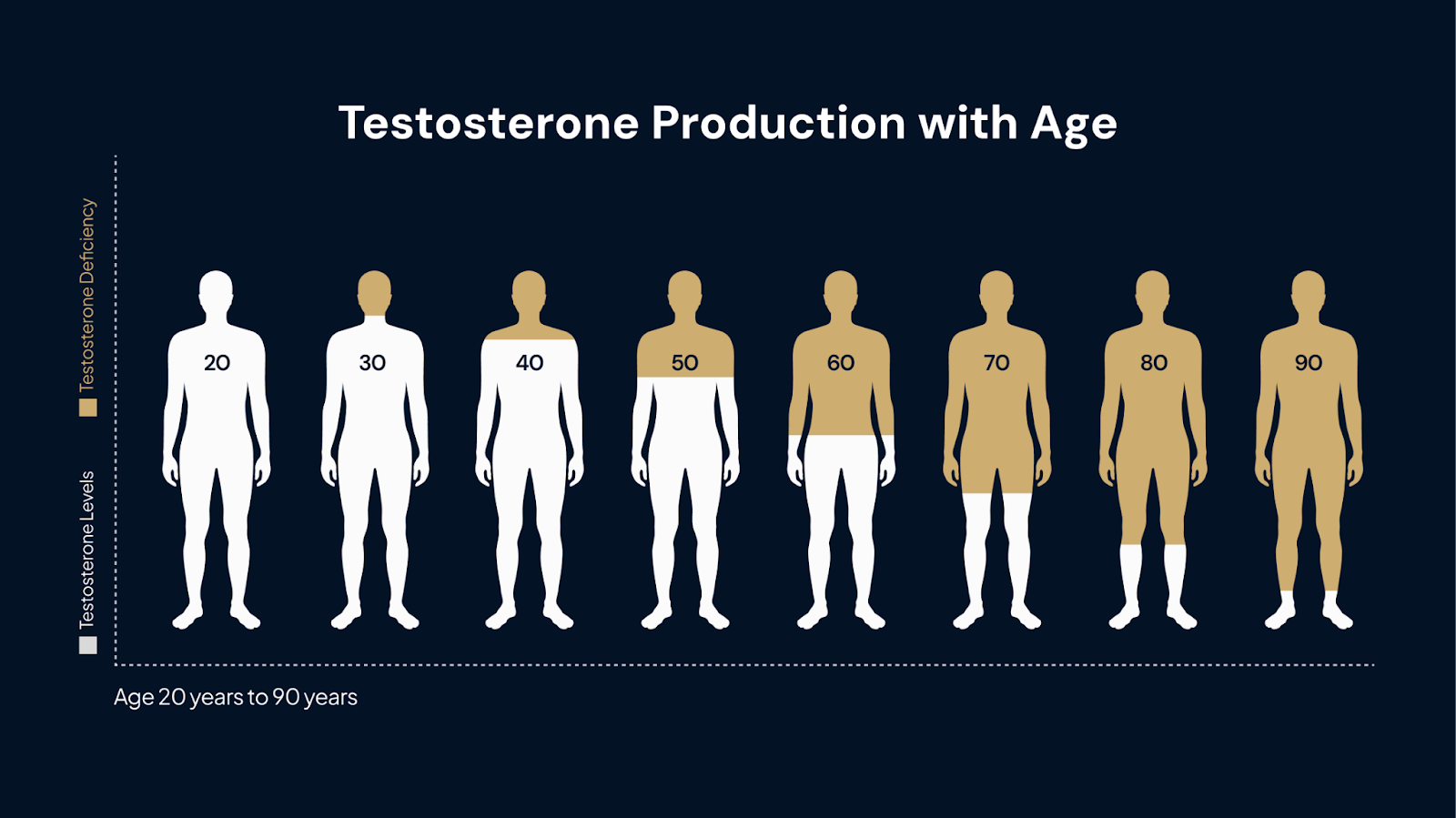
After about age 30, it’s normal for testosterone levels to dip gradually (by roughly 1% per year)[10]. This natural decline is slow, so many men won’t notice any significant changes at first. However, some men have lower-than-normal levels due to genetics, health conditions, or other factors, causing a condition called hypogonadism, which is a fancy word for low testosterone.
When testosterone falls below the healthy range, generally under ~300 ng/dL in blood tests[11], men can experience a variety of symptoms. Let’s look at why someone might consider TRT in the first place.
Why Do Men Consider TRT? (Signs of Low Testosterone)
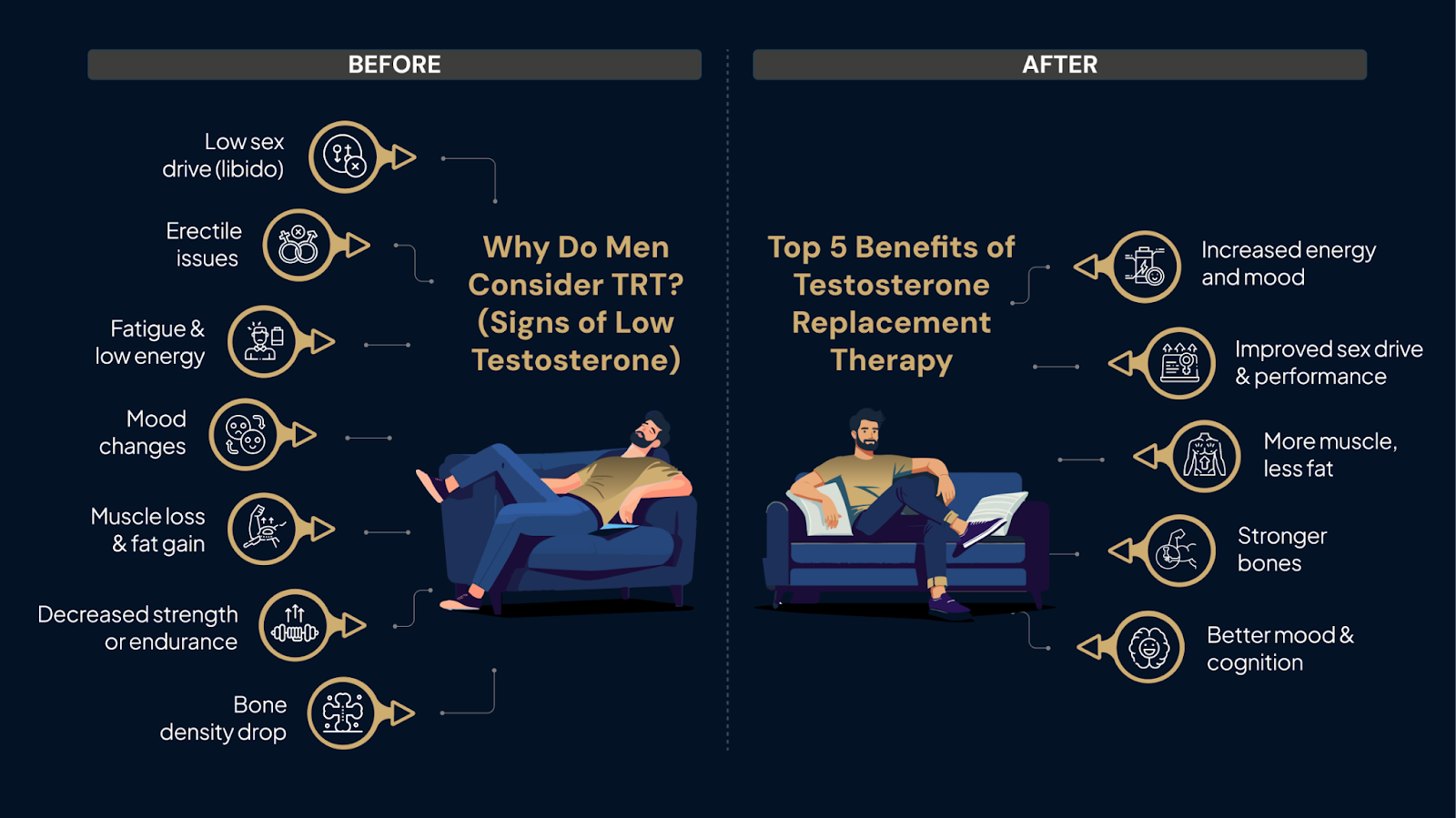
Men usually turn to testosterone replacement therapy when low testosterone (or “Low T”) starts affecting their quality of life. How do you know if you might have Low T? Here are some common signs and symptoms:
- Low sex drive (libido): You just don’t feel “in the mood” as often as before.
- Erectile issues: More difficulty getting or keeping erections, or fewer spontaneous morning erections[12].
- Fatigue & low energy: Feeling wiped out or “drained” even with adequate rest.
- Mood changes: Low T can lead to sad or irritable moods, low motivation, and reduced self-confidence. Some men even experience mild depression. [13]
- Muscle loss & fat gain: You might notice it’s harder to build or maintain muscle, and easier to gain fat (especially around the belly)[14].
- Decreased strength or endurance: Workouts feel tougher, and recovery is slower.
- Bone density drop: Lower testosterone levels can weaken bones over time, increasing the risk of fractures (often silent until a break occurs).
- Other physical changes: Swollen or tender breasts (gynecomastia), loss of body or facial hair, or just a sense that your “edge” is missing[14].
Quick fact: A blood test is the only sure way to diagnose low testosterone[15]. Doctors usually take two morning samples on different days, when T levels are highest, to confirm a diagnosis[16]. “Normal” testosterone levels can vary, but many experts define Low T as being below ~300 ng/dL of total testosterone in the blood [11].
If these symptoms sound familiar, it might be worth discussing with one of our clinicians at VIVORO. Millions of men experience low testosterone, especially in midlife. In fact, an estimated 10–40% of men have some degree of testosterone deficiency (with the percentage rising in older age groups)[17].
So, if you’re feeling this way, you’re not the only one, and it’s nothing to be ashamed of. The good news is that, when low testosterone is diagnosed correctly, TRT can significantly improve these symptoms and give you back some pep in your step[18].
Top 5 Benefits of Testosterone Replacement Therapy
When used appropriately, TRT can have profound positive effects. It’s all about getting you back to your optimal normal, not pushing you beyond nature’s limits.
Here are some potential benefits of TRT:
- Increased energy and mood: Many men report feeling more alert, upbeat, and motivated after their testosterone levels return to normal. It can reduce irritability and even mild depressive feelings[19].
- Improved sex drive & performance: Boosting low T often rekindles one’s libido and can improve sexual function[1]. Men might notice improved arousal, more frequent erections, and better sexual satisfaction.
- More muscle, less fat: Testosterone helps maintain muscle tissue. With TRT, you may find it easier to regain lean muscle and strength (especially if you’re exercising), and you may also see a reduction in body fat. [1] It’s not “steroids” in the bodybuilding sense but simply restoring what your body needs for healthy muscle metabolism.
- Stronger bones: Testosterone is crucial for bone density. Men with low T sometimes develop osteopenia or osteoporosis (weak bones). TRT can help increase bone mineral density, thereby reducing the risk of fractures [20].
- Better mood & cognition: Beyond physical perks, some men find they can think a bit more clearly and feel more like themselves, less foggy and more confident. There’s often an overall boost in quality of life and well-being when debilitating low testosterone symptoms are resolved [18].
Keep in mind that TRT isn’t a magic bullet or a cure-all for every problem. If your testosterone was low and is now corrected, these areas can improve, but you won’t turn into a superhero overnight. The goal is to help you return to a healthy baseline, allowing you to live life more fully. And yes, you’ll still have to hit the gym and eat well to build that muscle. TRT is a helper, not a substitute for hard work!
Potential Risks and Drawbacks of TRT
Like any treatment, testosterone therapy has its downsides and caveats. It’s important to be aware of these potential risks so you can make an informed decision. Here are some known drawbacks and side effects of TRT:
- Worsening sleep apnea: If you have sleep apnea or are prone to it, testosterone can exacerbate nighttime breathing issues [21]. You might snore more or feel more tired if apnea worsens.
- Skin problems: TRT may cause acne breakouts or oily skin, similar to the hormonal changes associated with puberty [21].
- Breast swelling or tenderness: Some men develop gynecomastia, characterized by enlarged breast tissue or soreness in the chest area, due to hormonal changes. [22] This is usually not dangerous, but it can be uncomfortable or affect self-esteem.
- Reduced fertility and testicle shrinkage: This is a significant consideration if you plan to have children. Excess testosterone can signal the body to produce less of its own, leading to smaller testicles and a lower sperm count [23]. In fact, TRT is sometimes used as a form of male birth control because it can significantly reduce fertility.
- Higher red blood cell count: Testosterone can stimulate red blood cell production. In some men, TRT causes polycythemia (blood becomes thicker due to extra red cells)[24]. This can increase the risk of blood clots, which in severe cases might lead to problems like deep vein thrombosis or pulmonary embolism (a clot in the lung)[24]. VIVORO’s clinicians monitor your blood counts to manage this risk.
- Prostate changes: Testosterone can spur growth in the prostate gland. TRT may worsen benign prostatic hyperplasia (an enlarged prostate) symptoms or potentially stimulate existing prostate cancer cells[25].
Important note: TRT does not cause prostate cancer, but if you already have microscopic cancer, testosterone could accelerate its growth[26]. This is why VIVORO’s providers check PSA levels and make sure you don’t have prostate cancer before starting TRT.
In addition to these, a few men report mild fluid retention (ankle swelling) or injection-site pain if they’re on shots[27]. Most side effects are manageable, especially under a doctor’s supervision.
Another drawback of TRT is the commitment factor. Once you start therapy, your body’s testosterone production declines, since it’s getting testosterone from outside[28]. If you stop TRT, you’ll likely feel a dip as your body takes time to restart natural testosterone production[28]. In plain terms, you will likely need to stay on TRT long-term to maintain the benefits, unless an underlying issue is resolved. Stopping suddenly can bring back symptoms until your body recovers. This doesn’t mean you’re “addicted” to it, but it does mean you and your doctor should have a plan if you ever want to discontinue therapy[28].
Finally, let’s address the elephant in the room: heart and health risks. In the past, there were concerns that TRT might increase heart attack or stroke risk. Some early studies hinted at potential cardiovascular issues, which made a lot of men understandably nervous.
However, more recent research provides reassurance: for men with bona fide low testosterone, properly prescribed TRT does not appear to raise the risk of heart attack or stroke, nor does it seem to cause new prostate cancers[26]. In fact, untreated low testosterone itself has been linked with problems like weight gain and higher cardiovascular risk, so treating it might even help overall health. That said, caution is still advised if you have severe heart disease or other risk factors[29].
The bottom line: TRT is generally safe for most healthy men when monitored[30], but personal medical history is a critical factor. Always discuss your individual risk profile with a healthcare provider.
Common Misconceptions About Testosterone Replacement Therapy
Let’s clear up a few common misconceptions:
“TRT is just steroids for bodybuilders.”
The reality: TRT and anabolic steroid abuse are very different. Yes, they both involve testosterone, but TRT is a clinically supervised therapy aimed at restoring normal levels for men that need it. The doses are calibrated to bring you into a healthy range, not to push you into “Hulk” territory. Abuse of steroids (very high doses) is what leads to exaggerated muscle gain and nasty side effects; TRT, on the other hand, is about balance and safety. You won’t suddenly sprout huge biceps just from TRT; you’ll simply find it easier to rebuild muscle that you lost due to low T.
“Needing TRT means I’m not a real man.”
The reality: Hormone levels have nothing to do with your worth or manhood. Testosterone levels vary for numerous reasons, including genetics, lifestyle, and environmental factors. If you have low T, it’s a medical condition, like low thyroid hormone or low vitamin D, not a reflection of character or masculinity. You are addressing a health issue to feel better, in simple terms. There should be zero shame in that. In fact, it takes courage to recognize something’s off and seek help.
“TRT will make me super aggressive or angry.”
The reality: The myth of “’roid rage” often comes from cases of steroid abuse, not medically managed TRT. When testosterone is returned to a normal range under a physician’s care, most men actually report better mood and patience, because they’re less irritable and fatigued. You’re more likely to go from grumpy to happy than the other way around! Of course, any drastic mood changes should be discussed with your doctor, but uncontrolled rage is not a typical result of legitimate TRT.
“Once you start TRT, you can’t stop.”
The reality: You can stop TRT if needed; you’re not biologically shackled to it. However, as noted, your symptoms may return once your levels drop again, and it may take time for your body to resume normal production [28]. Some men do a trial of TRT for a few months to see if symptoms improve; if not, they discontinue. Others stay on it indefinitely because the benefits, and how they feel, are worth it. There’s a bit of a “testosterone trap” in that you enjoy feeling better and won’t want to go back to feeling lousy[28], but that’s because the therapy is addressing a genuine deficiency.
Therefore, it’s essential to recognize that you may initiate TRT only if you genuinely require it, ensuring that continuing it contributes to your overall health and quality of life.
Overall, there’s no need to let myths or societal stigma cloud your judgment. Low testosterone is prevalent, and treatment is a personal health decision. At VIVORO, we strive to normalize the conversation around men’s hormonal health. Just as women might seek help for menopause symptoms, men deserve care for andropause or hypogonadism without snickers or judgment. Knowledge is power. By learning the facts about TRT, you can make an empowered choice that’s right for you.
Experience the VIVORO Difference: A Holistic, Compassionate Approach to TRT
If you’re considering TRT, remember that how you approach treatment can make a world of difference. Testosterone therapy isn’t just about popping a pill or getting a shot; it should be nestled within a broader wellness strategy.
That’s precisely what we emphasize at VIVORO: a holistic, supportive approach aligned with our core values of Community, Education, Holistic Wellness, and Compassion[31][32].
Holistic Wellness
We see you as a whole person, not just a lab number. That means, alongside TRT, we consider nutrition, exercise, sleep, and stress management to help you feel your best.
For example, losing excess weight or starting a strength-training routine can naturally increase testosterone levels and improve TRT outcomes [33].
Our providers will guide you on lifestyle tweaks that amplify the benefits of therapy, whether it’s making diet changes, incorporating workouts, or taking supplements, so that TRT isn’t working in isolation. Proper health is a collaborative effort between medical care and healthy living.
Compassion & Inclusivity
Talking about hormone issues or sexual health can feel awkward for many men. We get it. That’s why VIVORO fosters a judgment-free, confidential environment. Our virtual care platform lets you speak openly from the comfort of home, and our clinicians approach every concern with empathy and respect[34].
There’s no such thing as a stupid question here, and no stigma attached. Whether you’re worried about fertility, libido, or just not feeling “manly” enough, we handle it with care and understanding. Every man, regardless of background or age, is welcome in the VIVORO collective[35].
Community & Support
Joining VIVORO means you’re not going it alone. We’ve built a supportive community where members can share their experiences, ask questions, and learn from one another’s journeys [36].
Have a concern? Our online portal and community resources are available to support you.
Knowing others are walking the same path helps erase the isolation that guys often feel about health issues. Plus, our providers are just a message away for guidance. It’s like having a team of coaches and cheerleaders in your corner, 24/7.
Education & Empowerment
Ever feel left in the dark at a doctor’s visit? That won’t happen with us. VIVORO’s philosophy is that knowledge drives transformation[32]. We take time to explain your lab results, what’s actually happening in your body, and why we recommend specific therapies.
Through clear articles, such as this one, webinars, and one-on-one chats, we provide you with the information you need to take charge of your health. With expert virtual consultations and easy-to-understand resources, you’ll never be asked to just “follow orders.” Instead, when you understand the why and how, you become an active partner in your treatment plan, making confident decisions and sticking to a plan that works for you.
In short, VIVORO’s TRT program is not your old-school, one-size-fits-all hormone clinic. We blend medical expertise with a warm, human touch. Yes, we can prescribe testosterone therapy if it’s right for you, but we also stick with you throughout the journey, checking in on your progress, adjusting as needed, and coaching you on all facets of wellness. Our mission is to help you rediscover your vitality in a balanced and sustainable way, free from stigma and supported throughout.
Is TRT Right for You?
By now, you know the basics: what TRT can do, and what it can’t. So, how do you decide if you should pursue Testosterone Replacement Therapy? Consider these steps and thoughts:
- Evaluate your symptoms and health: Take an honest look at the signs we discussed. Are symptoms like fatigue, low libido, and mood changes significantly affecting your daily life? Also, consider other factors, such as whether you are under a lot of stress, not sleeping well, or experiencing weight gain. Sometimes addressing those can improve how you feel, independent of testosterone. TRT is not a shortcut for adopting general healthy habits [33]. Ensure you’ve optimized the basics, such as diet, exercise, and sleep, as these can also mimic or exacerbate low T symptoms if neglected.
- Get tested - correctly: If low T is suspected, the next step is to get a blood test to measure your testosterone levels[37]. This usually involves a simple morning blood draw. It’s crucial to do it in the morning (7–10 AM) because that’s when levels peak; testing later could miss a borderline low level [38]. Additionally, if one test comes back low, guidelines often recommend confirming the result with a second test on a different day [38]. It’s a bit of effort, but it ensures a fluke reading does not misdiagnose you. At VIVORO, we can guide you on how and where to get tested and help you interpret the results.
- Rule out other causes: Low testosterone can sometimes be a symptom of something else. For example, uncontrolled diabetes, thyroid issues, or even certain medications can affect your hormone levels[37]. Your provider may conduct additional tests to rule out any other underlying problems. It’s also vital to distinguish between primary hypogonadism, issue in the testes, and secondary, issue in the pituitary/hypothalamus signals, because that can guide treatment. Don’t worry, your doctor will help sort this out. The key is not to jump straight into TRT without a thorough evaluation.
- Weigh the benefits vs. risks for you: If you have Low T and it’s causing issues, think about how much those symptoms bother you. Are they mild, or are they really holding you back from the life you want? If it’s the latter, the potential benefits of TRT might significantly improve your well-being. On the flip side, consider your personal risk factors. For instance, if you’re trying to conceive a child in the near future, you may want to consider pausing TRT. If you have a history of prostate cancer, TRT is generally not advised[39]. If you have untreated severe sleep apnea or heart failure, those conditions should be managed carefully before or during TRT[39]. A good doctor will walk you through these considerations. At VIVORO, we take the time to personalize this risk-benefit analysis with you.
- Consider a holistic game plan: Maybe your levels are a bit low, but not super low, what some call the “gray zone.” In these cases, lifestyle changes can sometimes provide a boost without the need for therapy. Weight loss, strength training, cutting back on alcohol, or ensuring adequate zinc and vitamin D are all known to help support testosterone production naturally, for borderline cases. Natural boosters, like certain supplements, are generally less effective than true TRT, but some men try them first. If you opt for the TRT route, remember that it’s most effective when combined with healthy habits. Think of TRT as one component of a broader health strategy, not a standalone fix.
- Consult a trusted provider: Ultimately, deciding on TRT isn’t something you should do alone or based on a late-night TV ad. Consult with a knowledgeable healthcare provider, ideally one who understands the nuances of men’s health and hormonal issues. They can confirm if you’re a candidate and help you know what to expect. Ask questions! e.g., What form of TRT is best for me? How often will I need follow-ups? What changes should I report immediately? A good provider will address your concerns openly. And if you ever feel unsure, it’s okay to get a second opinion from an endocrinologist or urologist who specializes in hormones[38].
- Trial and monitor: If you start TRT, it’s not irreversible. In fact, a common approach is a trial of a few months. You and your doctor can set goals, such as “improve energy and erectile function,” and then assess whether those goals are met after, say, 3–6 months of therapy. If little to no improvement is seen, that’s a clue that something else might be causing your issues, and continuing TRT may not be worthwhile[40]. On the other hand, if you’re doing better, you’ll likely continue to do so. Regular follow-ups (blood tests every few months initially) will ensure your dose is correct and monitor things like blood counts and PSA for safety[41][42].
- Long-term mindset: If TRT is helping and you choose to stay on it, embrace it as part of your long-term wellness routine. This means adhering to the prescribed schedule, attending regular clinical visits, and reporting any new symptoms or side effects. Many men stay on TRT for years happily. Just remember, if at any point your life situation changes, say you develop a health issue, you should re-discuss therapy with your provider.
The fundamental takeaway is: TRT is a journey, and having a supportive, expert team -like VIVORO’s - makes it much smoother.
Optimize Your Health, Performance, and Longevity with VIVORO

Facing the prospect of low testosterone can feel daunting, even a little frightening or embarrassing for some. But it doesn’t have to be. We hope this guide has shown you that knowledge and support make all the difference. Testosterone Replacement Therapy, when appropriate, can be a life-changing tool to help you reclaim energy, strength, and passion that’s been missing. It’s not about vanity or chasing youth; it’s about restoring a sense of normalcy and well-being that every man deserves as he ages.
At VIVORO, we’re passionate about walking this journey with you in a way that’s caring, holistic, and tailored to you. Maybe TRT is right for you, maybe it’s not. Either way, our goal is to help you make an informed choice without stigma or pressure. We blend medical science with human-centric care: that means if you join the VIVORO program, you’ll get expert treatment plus guidance on lifestyle, a community that has your back, and a compassionate team that listens.
We know that hormones can be a sensitive topic, but by approaching it openly and intelligently, we can remove the shame and replace it with confidence and solutions.
Ultimately, the decision is yours. Your health, your choice, our support. If you’re struggling with symptoms of low T, don’t suffer in silence or brush it off as “just aging.” There are safe and effective options available. Whether it’s improving your habits or starting TRT, you have the power to take charge of your vitality. And VIVORO is here to empower you every step of the way.
Ready to explore your personalized TRT options in a warm, understanding environment? We invite you to reach out to VIVORO for a no-judgment consultation.
Take your 5-minute assessment today and begin your journey with VIVORO.
FAQ (Frequently Asked Questions)
- How do I know if I have low testosterone?
If you suspect low testosterone (Low T), consider your symptoms and consult a healthcare professional for a blood test. Common symptoms include low sex drive, fatigue, depressed mood, difficulty building muscle, and changes in erections. However, these can overlap with other issues. The only way to know for sure is through a blood test checking your testosterone levels (usually done in the morning). Doctors typically define “low T” as a testosterone level below about 300 ng/dL on two separate tests[11]. If your level comes back low and you have symptoms, you likely have hypogonadism (low testosterone). It’s best to discuss the results with a healthcare provider, who may also investigate other causes or confirm the result with a second test[38].
- What are the side effects of TRT?
Testosterone Replacement Therapy can cause some side effects, although not everyone experiences them. Common side effects include acne or oily skin, mild fluid retention (swelling in the ankles), and breast tenderness or enlargement in some men[27]. TRT can also reduce sperm production and shrink the testicles, which may lead to infertility while on treatment[43]. Other possible effects include worsening of sleep apnea (if you have this condition) and an increase in red blood cell count, which can cause the blood to become thicker. [44] Most side effects are manageable with proper monitoring; for example, doctors will periodically check your blood counts and prostate health. Always report any unusual symptoms to your provider so they can ensure your TRT dose is appropriate.
- How is TRT administered?
TRT comes in several forms, and you can work with your doctor to determine the best fit for you. Injections are common; these are shots of testosterone (typically in the muscle) given either weekly or every other week. There are also transdermal gels and creams that you apply daily to your skin (such as your shoulders, arms, or thighs); the testosterone is absorbed through the skin. Skin patches are another option; you stick a patch on once a day. Implantable pellets are a longer-acting method: tiny pellets inserted under the skin (usually in the hip area) that release testosterone slowly over a few months. Other forms include buccal tablets (which adhere to the gum), nasal gels, and even oral pills [45][46]. In practice, injections and gels are the most commonly used methods in the U.S. Each has its pros and cons (for example, gels are easy but require daily use; injections are less frequent, but some people dislike needles). Your healthcare provider will help determine which method best suits your lifestyle and helps keep your levels steady.
- Do I have to stay on TRT forever?
TRT is often a long-term therapy, but it doesn’t necessarily have to be forever. Suppose you have an ongoing need (such as age-related hypogonadism or a permanent medical condition causing low T). In that case, you might remain on TRT indefinitely to maintain your quality of life[47]. Many men have been on testosterone for years. However, regular evaluations are indispensable. If at any point the therapy isn’t benefiting you or you want to stop, you can discuss tapering off with your doctor[48]. Keep in mind that when you stop TRT, your testosterone will drop back to previous low levels, and your original symptoms may return[47]. Your body will also need time to recover its natural testosterone production. Some men periodically try coming off to see if they still need it, especially if they’ve made lifestyle changes that could improve testosterone. In short, you can discontinue TRT under medical guidance; it’s not a one-way street, but if you still have a clinical need for it, you’ll likely lose the benefits when you stop.
- Does TRT affect fertility?
Yes, TRT can significantly affect male fertility. When you introduce external testosterone into the body, it signals the brain to reduce or stop the natural production of certain hormones (LH and FSH) that are needed for sperm production. As a result, men on TRT often experience a drop in sperm count[23]. In fact, testosterone therapy is sometimes used (off-label) as male contraception because it can induce infertility while on treatment. If you are planning to have children, it’s crucial to tell your doctor before starting TRT. There are alternative approaches, such as using medications like hCG or clomiphene, that can boost testosterone without the same impact on fertility, or these can be used alongside TRT to maintain sperm production. Always discuss family planning goals with your healthcare provider. The infertility from TRT is usually reversible after stopping therapy (sperm count often recovers in a few months to a year), but this isn’t guaranteed for everyone. So, proceed with caution if having a baby is on your horizon.
- Is testosterone therapy safe?
When prescribed and monitored by a doctor, testosterone replacement therapy is generally safe for men with low testosterone. Current research indicates that in men with true hypogonadism, TRT does not notably increase the risk of heart attack, stroke, or prostate cancer[26]. That’s reassuring, because those were past concerns. However, “safe” doesn’t mean zero risks. You still need periodic check-ups to ensure your blood counts, prostate-specific antigen (PSA), and other parameters are in healthy ranges. TRT is not recommended if you have certain conditions: for example, men with active or a history of prostate or breast cancer, severe untreated sleep apnea, or serious heart failure should typically avoid TRT or use it with extreme caution[39]. It’s important to have a thorough evaluation beforehand. The safety profile is strongest when TRT is used for the right reasons (documented low T with symptoms) and at the correct dosages. Self-medicating with testosterone or obtaining it without medical supervision is not safe. If you work with a healthcare provider, undergo the advised monitoring, and report any side effects, TRT can be a safe and effective part of managing your health.
Reference List
- [1] [2] [14] [17] [19] [29] [30] [33] [41] Menopause hormone replacement therapy: Myths & facts | Ohio State Health & Discovery– https://health.osu.edu/health/womens-health/menopause-hormone-replacement-myths-facts
- [3] [5] [10] [11] [37] Myths and Facts About Hormone Replacement Therapy: What Every Woman Should Know: Capital Women's Care: OBGYNs– https://www.capitalwomenscarefrederickobgyn.com/blog/myths-and-facts-about-hormone-replacement-therapy-what-every-woman-should-know
- [4] [6] [7] [8] [12] [13] [16] Menopause - Treatment - NHS– https://www.nhs.uk/conditions/menopause/treatment/
- [9] [15] [18] [20] [21] [22] [23] [24] [25] [27] [38] [40] Hormone Replacement Therapy (HRT) for Menopause– https://my.clevelandclinic.org/health/treatments/15245-hormone-therapy-for-menopause-symptoms
- [26] [28] Hormone Replacement Therapy | HRT | Menopause | MedlinePlus–https://medlineplus.gov/hormonereplacementtherapy.html
- [31] [32] [34] [35] [36] [42] Vivoro - Guiding Principles.docx–file://file_00000000e82471f5953fca10c1e75cfb
[39] The 2022 Hormone Therapy Position Statement of the North